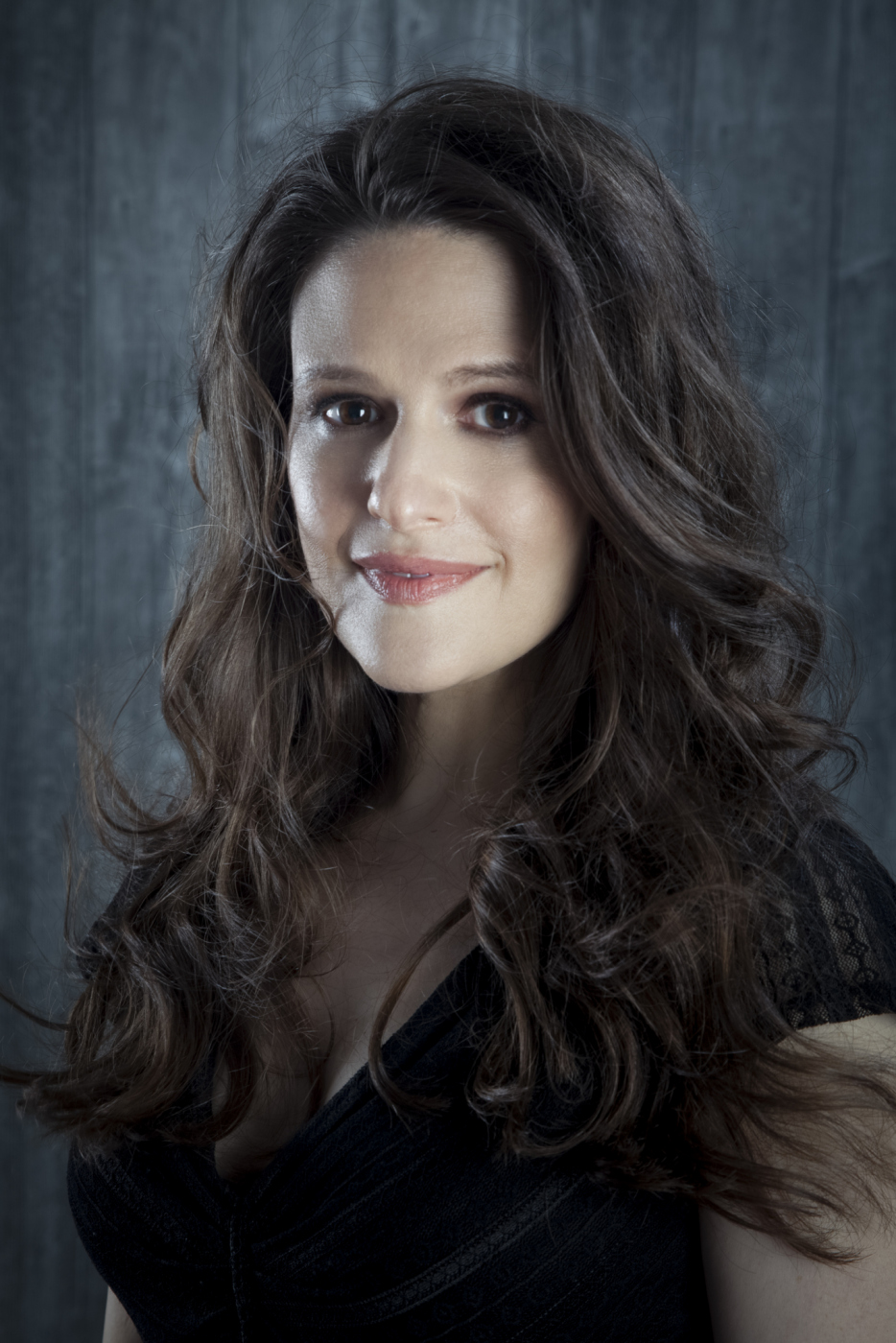
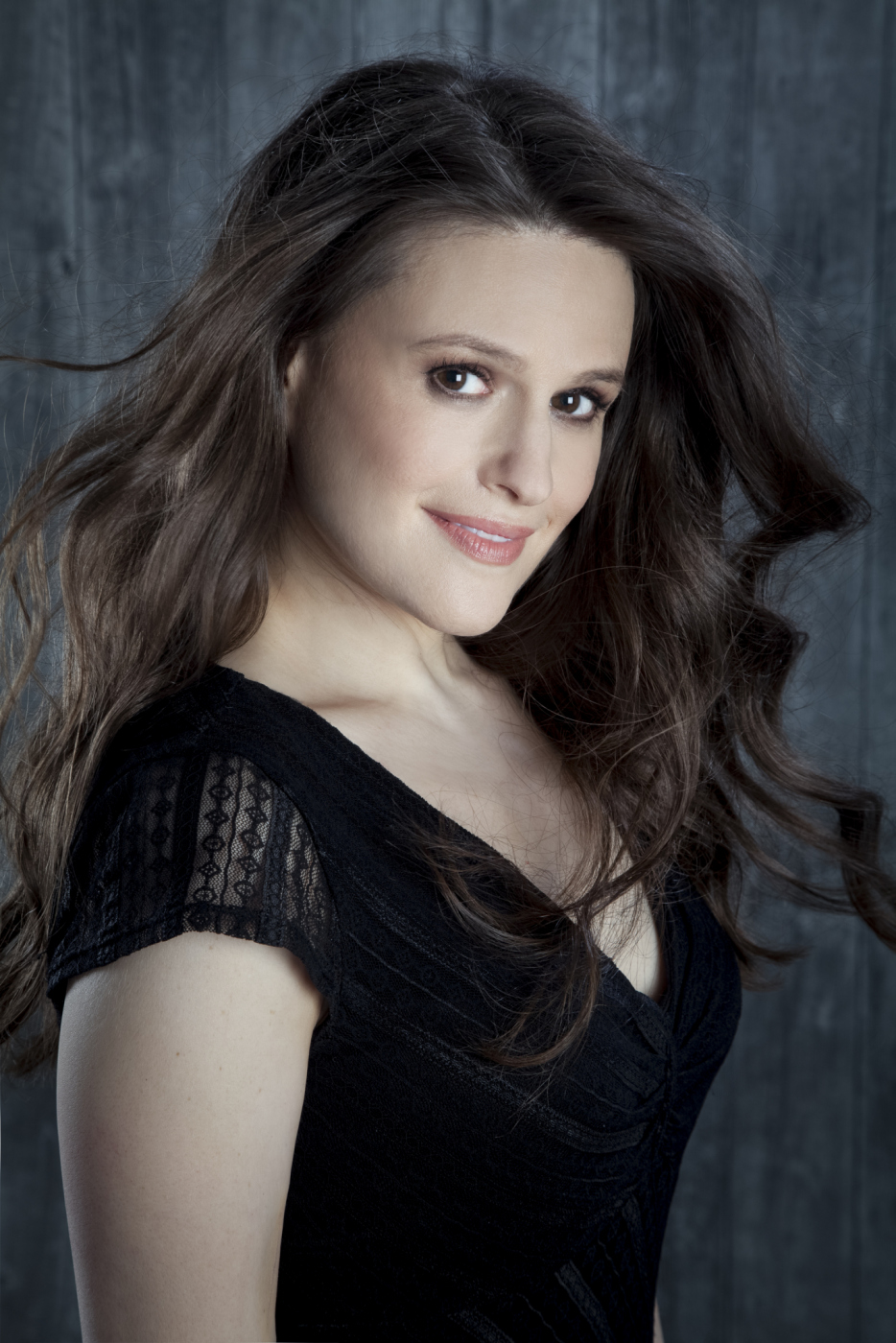
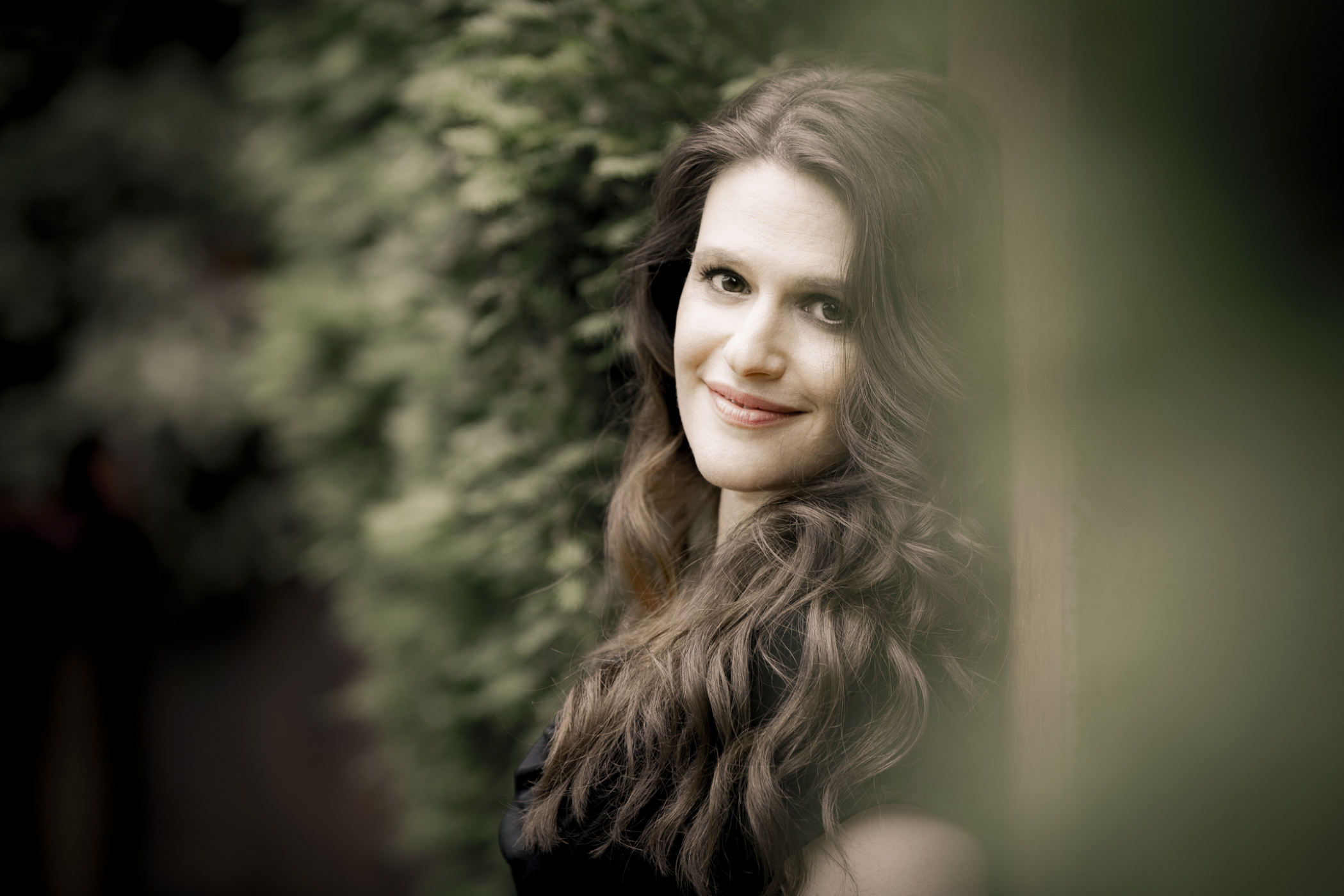
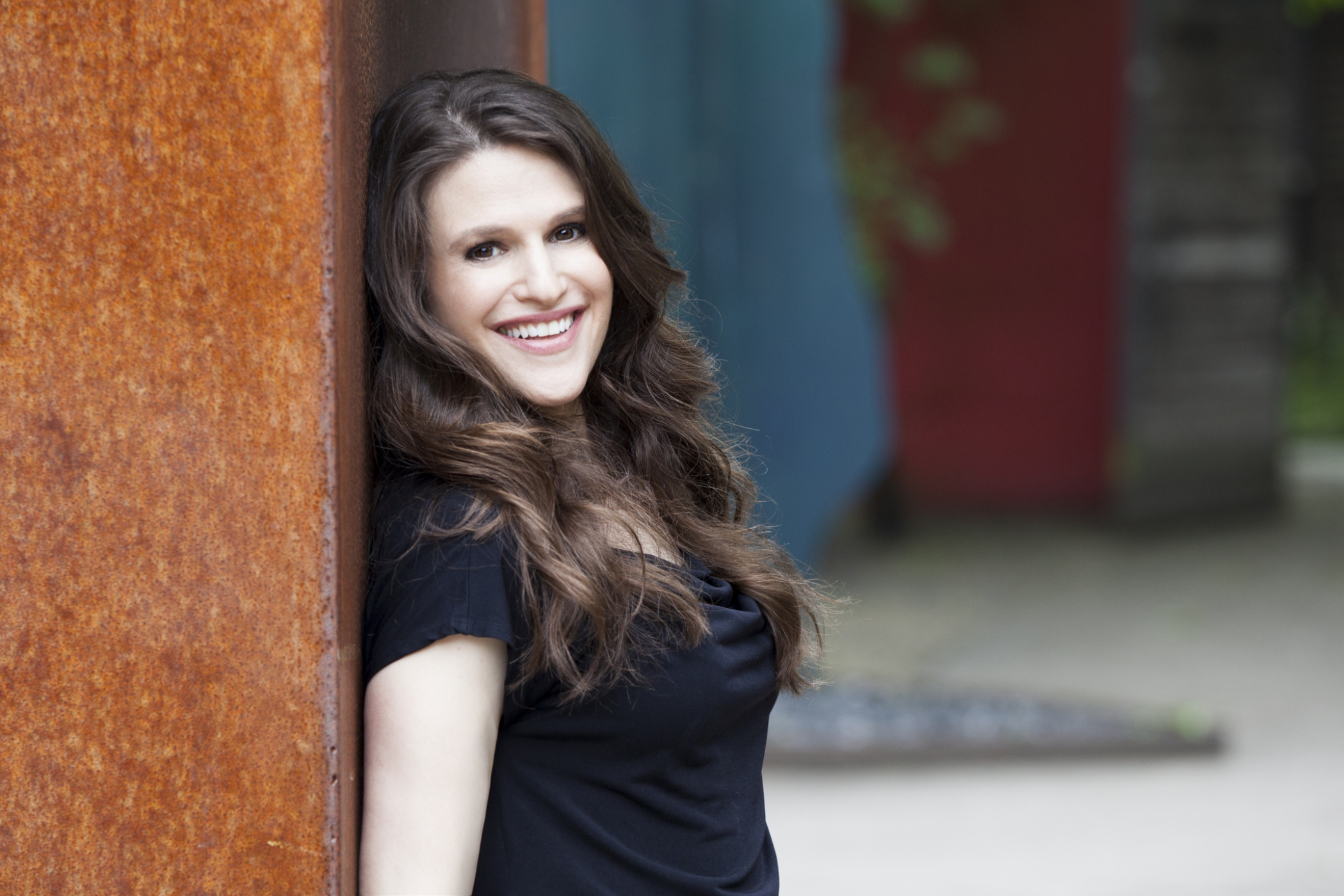
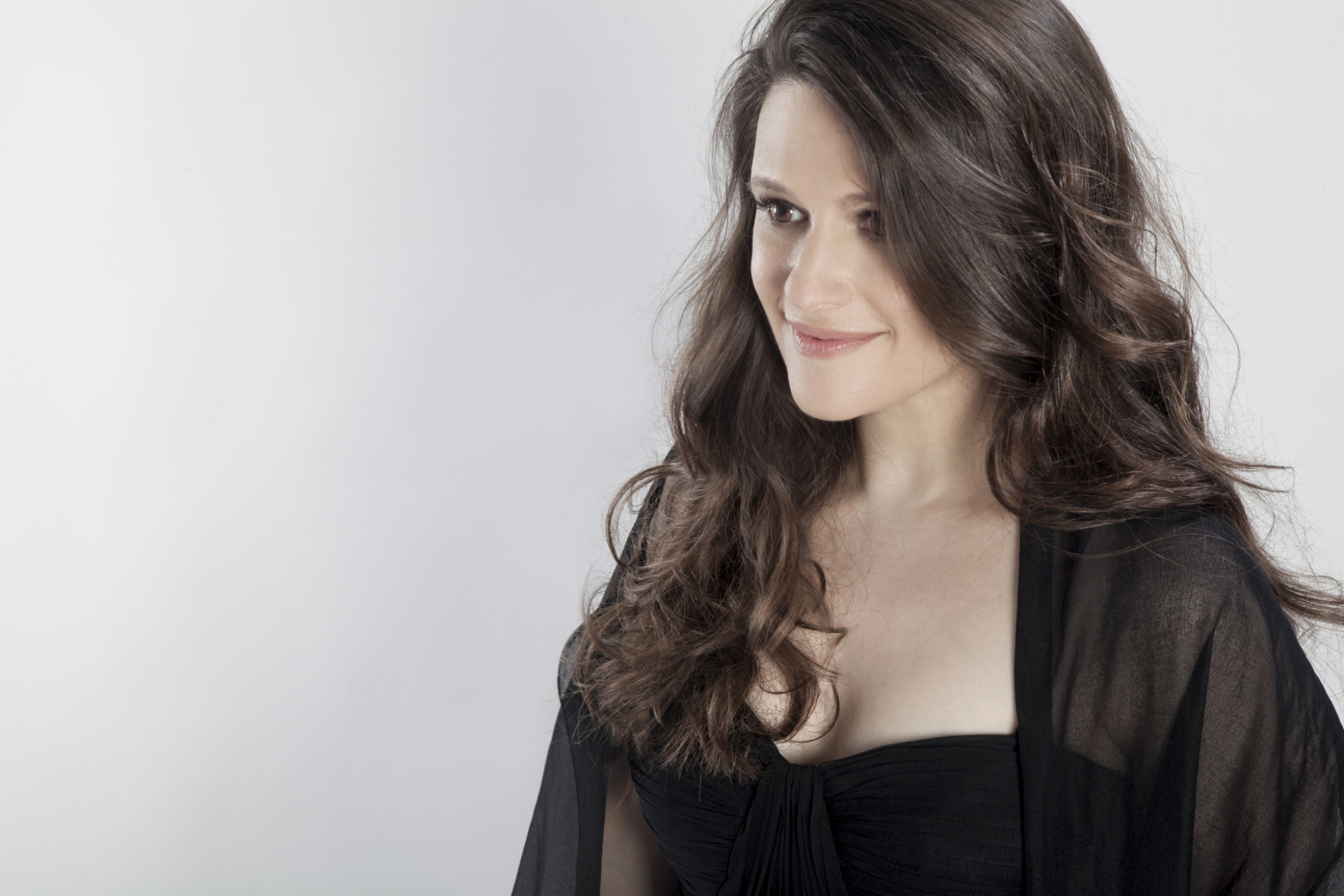
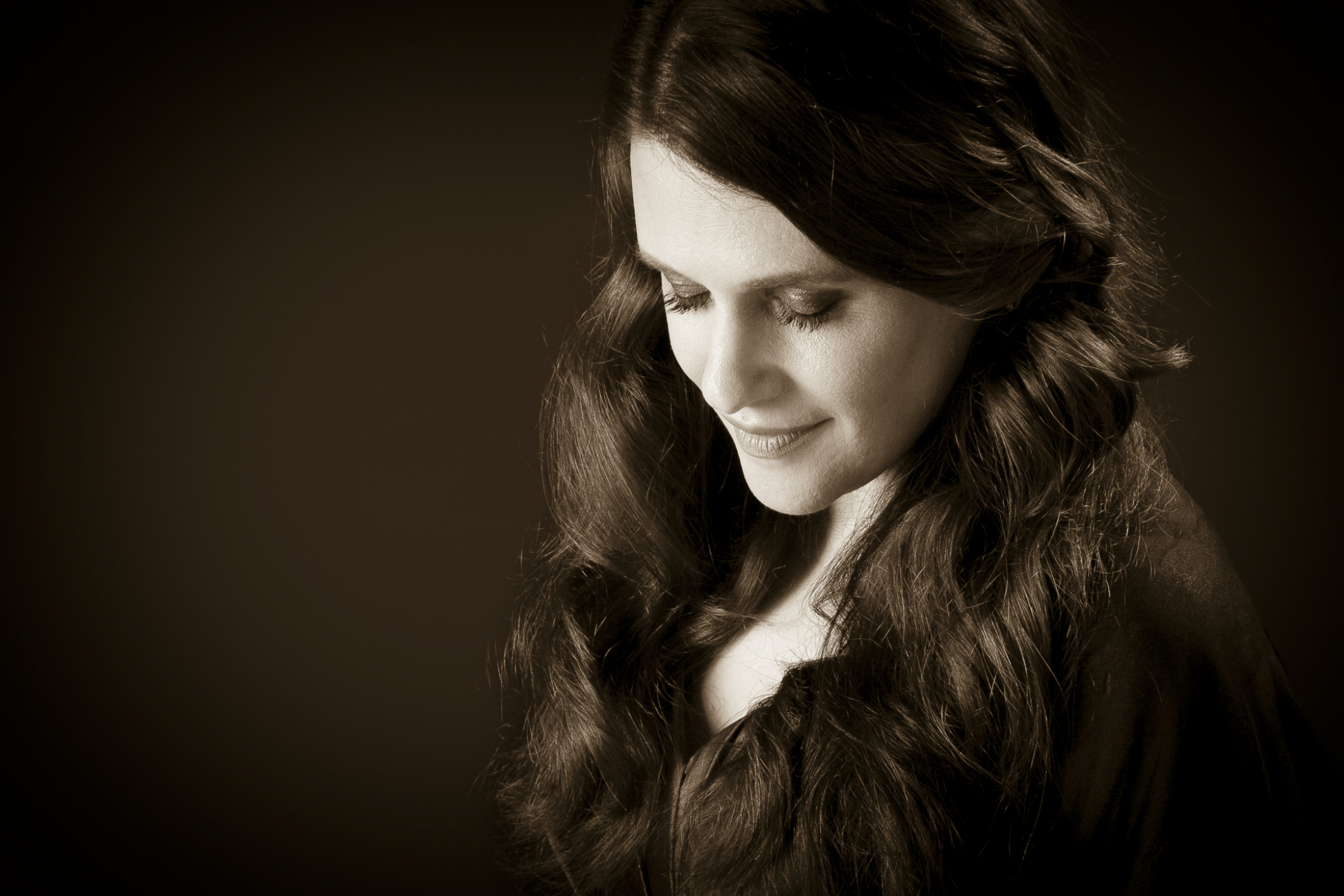
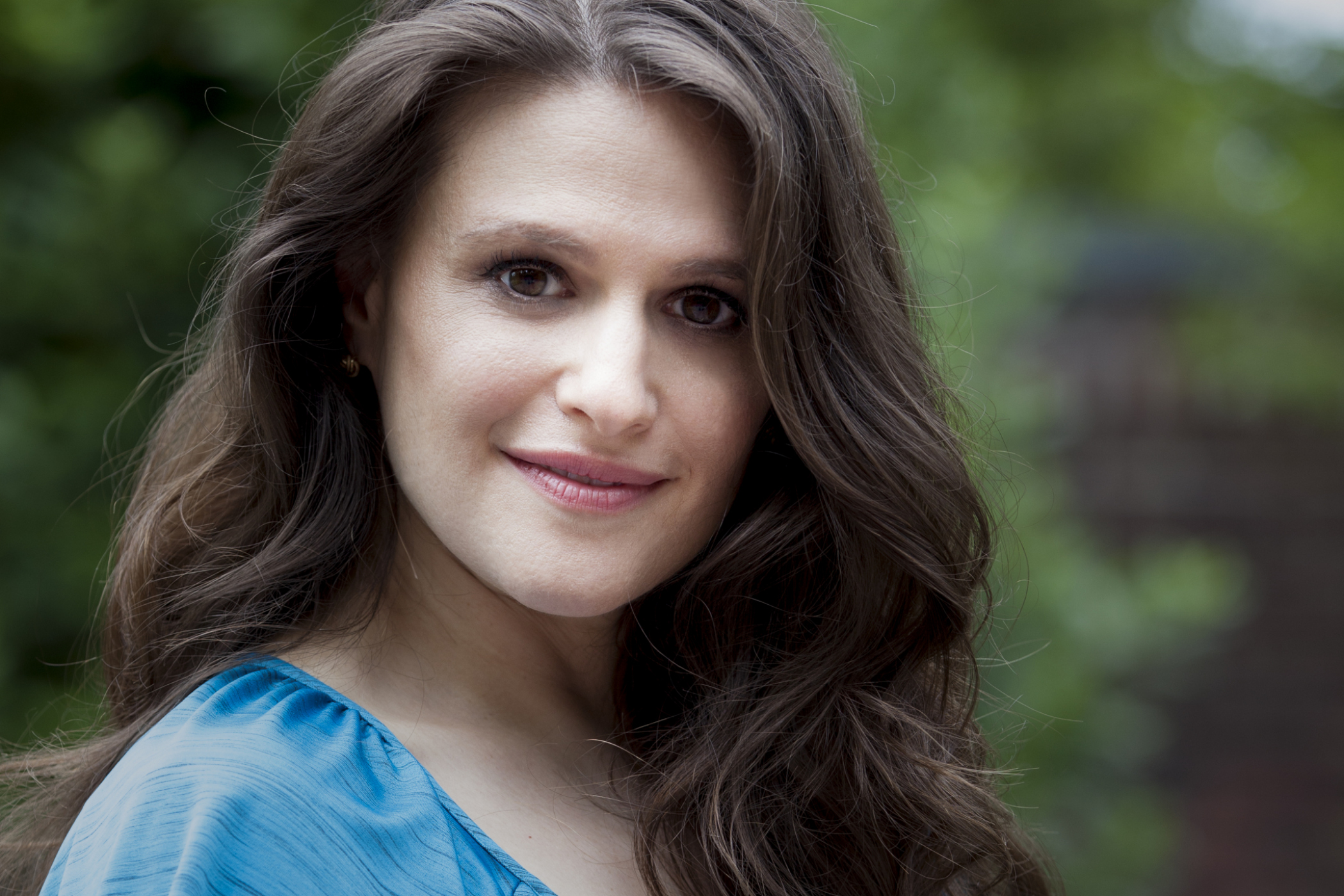
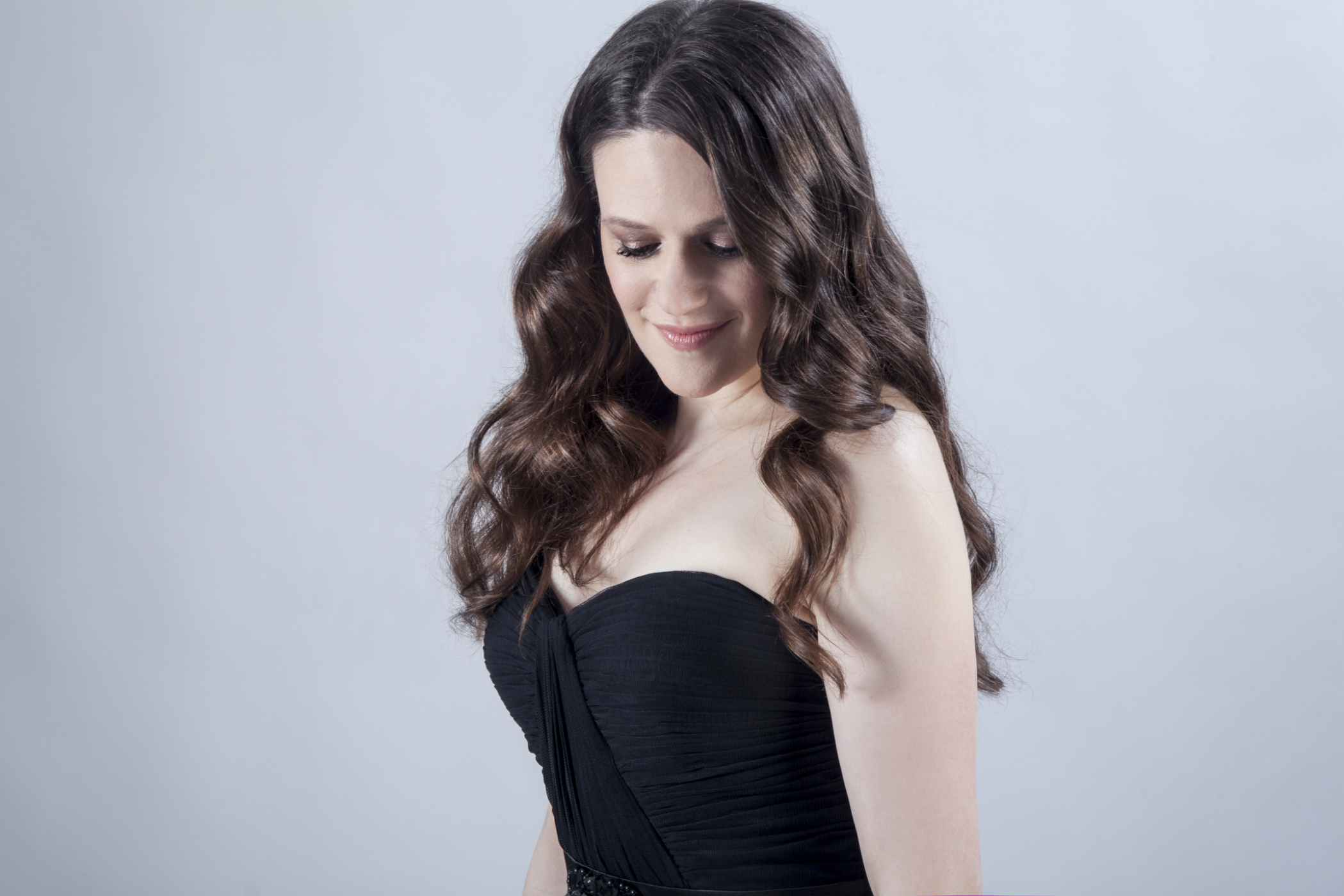
American soprano Robin Johannsen has established an international career distinguished by musical intelligence, vocal brilliance and a particular affinity for the Baroque and Classical repertoires. Equally at home on the operatic stage and concert platform, she enjoys longstanding relationships with many of the leading conductors and period-instrument ensembles in Europe and North America.
Central to Robin’s artistic life is her close collaboration with René Jacobs, with whom her work has encompassed Mozart, Beethoven, Bach, Telemann and Vivaldi. Other regular collaborators include Andrea Marcon, the Freiburger Barockorchester, Akademie für Alte Musik Berlin, La Cetra Basel, Internationale Bachakademie Stuttgart, Concerto Köln and B’Rock Orchestra. She has also worked with conductors including Jonathan Cohen, Ottavio Dantone, Philippe Herreweghe, Ton Koopman, Christian Thielemann and Robin Ticciati.
Robin began her European career as a young artist at Deutsche Oper Berlin and has since appeared at houses including Staatsoper Berlin, Theater an der Wien, Hamburgische Staatsoper, Semperoper Dresden, Teatro Regio Torino, Oper Frankfurt, La Monnaie and the Bayreuth Festival. Her roles include Susanna in Le nozze di Figaro, Konstanze in Die Entführung aus dem Serail, Fiordiligi in Così fan tutte, Marzelline in Beethoven’s Leonore and the title roles in Telemann’s Emma und Eginhard, Vinci’s Didone abbandonata and Graupner’s Dido, Königin von Carthago.
Alongside her European career, Robin has developed an important presence in North America, appearing with the Pittsburgh, Baltimore, Dallas and Cincinnati Symphony Orchestras, National Symphony Orchestra, Handel & Haydn Society, Boston Baroque, Les Violons du Roy and Oregon Bach Festival. Recent projects have included Dalinda in Handel’s Ariodante with Boston Baroque, Mahler’s Fourth Symphony and the world premiere of a song cycle written for her by Jeremy Gill with the Harrisburg Symphony, and Bach and Telemann with Handel & Haydn Society at Carnegie Hall and in Boston.
Recent and forthcoming European highlights include Leocasta in Vivaldi’s Il Giustino with René Jacobs and the Freiburger Barockorchester; Handel’s L’Allegro with the Warsaw Philharmonic and Nicholas McGegan; Messiah with the Orchestra of the Eighteenth Century; Bach’s St Matthew Passion with the Wrocław Baroque Orchestra; and two further collaborations with René Jacobs, as Mrs Ford in Salieri’s Falstaff with B’Rock Orchestra and in Handel’s La Resurrezione with the Freiburger Barockorchester.
Robin’s discography includes her Edison Classical Music Award-winning performance as Konstanze in Die Entführung aus dem Serail with René Jacobs for harmonia mundi, her solo album In dolce amore for Sony Classical, and recordings of Bach’s Mass in B minor, Beethoven’s Leonore, Vinci’s Didone abbandonata, Handel’s Parnasso in festa and Mozart in Milan: Exsultate, jubilate.
This biography is for information only and should not be reproduced.
Haydn: Die Schöpfung
Orchestra of the Age of Enlightenment (May 2026)
The three soloists (Johannsen doubling Gabriel and Eve; Stražanac Raphael and Adam) were perfectly selected for the performance – each bringing character and dexterity to their roles, but producing a glossy and balanced blend for ‘In holder Anmut stehn’. Johannsen’s voice carries both sweetness and a full tone (but not too much to tip it into the 19th century), supplying power to shimmer over the choir in ‘Mit Staunen sieht das Wunderwerk’, honeyed loveliness for ‘Auf starkem Fittiche’ and warmth (with an ironic edge as a nod to modern feminist sensibilities) to her ‘Von deiner Güt’’ duet with Adam.
Barry Creasy, music OMH
Soprano Robin Johannsen (Gabriel and Eve) was a late change to the line-up, but her bright coloratura and fluttering tone were a delight, and her duets with Stražanac (now Adam) were sensitively characterised, as was his slightly mischievous Figaro-esque delivery.
Nick Boston, Bachtrack
Johannsen proved a revelation as Gabriel and Eve. Her fresh, youthful timbre gave both roles a disarming lightness, while her phrasing remained consistently elegant and apt. Particularly in the lyrical passages, it was striking how naturally her voice blended with Stražanac's. Their duet sounded remarkably natural; Haydn's ideal of harmonic unity took on an almost tangible form here.
Werner De Smet, Klassiek-Centraal
Telemann and Bach: Cantatas
Handel & Haydn Society (May 2026)
Johannsen’s lissome but grounded soprano was burnished gold to the silver of Lowrey’s ethereal, chilly instrument, a keenly effective combination in the first duet of Bach’s Eastertide Cantata No. 4, “Christ lag in Todesbanden.’’
A.Z. Madonna, Boston Globe
Guy Cutting’s lucid, lyrical tenor voice sang exquisitely of the peace and joy of paradise, accompanied by the fragile, angelic voices of soprano Robin Johannsen and countertenor Christopher Lowrey. Divine!
Rebecca Nemser, The Boston Musical Intelligencer
Soprano Robin Johannsen’s light-toned instrument in “Ja, komm, Herr Jesu” blended beautifully with the gambas and recorders, while also setting up a radiant contrast with the darker vocal fugato entries of the “Es ist der alte Bund” statements. Johannsen managed the last, the plaintive aria “Brecht, ihr müden Augenlieder,” with touching warmth.
Jonathan Blumhofer, Boston Classical Review
Vivaldi: Il Giustino (Leocasta)
Freiburg Baroque Orchestra (April 2026)
Robin Johannsen as Leocasta was a delight thanks to her exquisite singing
Robin Johannsen como Leocasta fue un deleite gracias a un canto exquisito.
César Rus, Scherzo Classical Music Magazine
The soprano Robin Johannsen gave Leocasta a gripping, fiery profile.
Die Sopranistin Robin Johannsen verlieh Leocasta stimmlich wie darstellerisch ein packendes, feuriges Profil.
Karl Georg Berg, Der Rheinpfalz
Robin Johannsen's Leocasta is also flawless in her radiant youthfulness
Auch Robin Johannsens Leocasta ist in ihrer leuchtenden Jugendlichkeit makellos
Alexander Dick, Badische Zeitung
Opposite him, Robin Johannsen brought a youthful, coloratura-rich energy to his lover Leocasta. Despite her reduced stage time, her flawless breath control and firm characterization during the empire's darkest moments provided the necessary spark for Giustino's eventual victory.
Mengguang Huang, Operawire
Beethoven: Ah perfido
Scottish Chamber Orchestra (March 2026)
American soprano Robin Johannsen was a gripping presence centre-stage, her vocal delivery as trenchant as it was heartfelt, her timbre blessed with a defining edge that oozed vibrance and character. The reactiveness of the orchestra was assupportive as it was reflective, even if the errant mobile phone erupting in the final bars was a spooky, jarring intervention.
Ken Walton, VoxCarnyx
Bach: Christmas Oratorio
La Cetra (December 2025)
Robin Johannsen, luminous as usual, stands out in her grand aria accompanied by the divinely singing oboe of Priska Comploi.
Robin Johannsen, lumineuse comme à son habitude, se distingue dans son grand air accompagné par le hautbois divinement chantant de Priska Comploi.
Ruggero Meli, www.baroquenews.com
Robin Johannsen's soprano sparkled.
Robin Johannsens Sopran funkelte.
Johannes Adam, Badische Zeitung
Handel: Ariodante (Dalinda)
Boston Baroque (April 2025)
Johanssen was initially winsome and girlish as the deceived Dalinda, rose gold in color to Forsythe’s silver. Then she suddenly produced a stunner near the end of the opera in “Neghittosi, or voi che fate,” calling down lightning on the treacherous Polinesso.
Boston Globe
But perhaps the most praiseworthy work came not from the leads but rather from the secondary romantic pair, Dalinda (Robin Johannsen) and Lurcanio (Richard Pittsinger). Both brought nuance to portrayals of characters that otherwise might have been somewhat one dimensional.
The Boston Musical Intelligencer
Christoph Graupner: Dido, Königin von Carthago
La Cetra / Innsbrucker Festwoch (August 2024)
A notable feature of the cast was the strong Spanish involvement, although the Dido was the American soprano Robin Johannsen. She is a singer I’ve long felt to be underrated, a stylist who can boast a technique well suited to Baroque repertoire: she has a fine trill, gave us a wonderful messa di voce and some ravishing mezza voce singing, and was exquisite in the accompagnato at her death. The voice is bright yet warm and beautifully produced and was well contrasted with the lighter soprano of the enchanting Alicia Amo as Dido’s sister Anna.
Brian Robins, Opera Magazine
CD Review: Mozart in Milan
Giulio Prandi conductor / Robin Johannsen soprano / Carlo Vistoli countertenor / Coro e Orchestra Ghislieri / Arcana Records A 538
The motet [Exsultate, jubilate] is here sung by the US soprano, Robin Johannsen. Charles Burney’s description of Rauzzini as having a ‘sweet and extensive voice, a rapid brilliance of execution great expression and an exquisite and judicious taste’ might easily have been tailored to Johannsen’s performance, which is, quite simply, one of the very best of this frequently performed showpiece I have heard. The ability to cope with the bravura writing of the opening aria and concluding ‘Alleluja’ are not so uncommon, but what is rare is the care and insight Johannsen brings to colouring the text. One example must suffice; the final line of the second, lyrical aria concludes with a perfectly executed trill on the final word ‘cor’, which the singer allows to swell slightly, thus bringing added fervour to the final plea – ‘console our feelings from which our hearts sigh’.
Brian Robins, Early Music Review
Exsultate, jubilate was composed for 27-year-old castrato soprano Venanzio Rauzzini, who also performed the leading male role in Mozart's early opera Lucio Silla. Here, it's sung by Robin Johannsen, an American soprano whose European career has included stints with René Jacobs and the Freiburger Barockorchester as well as the Akademie für Alte Musik Berlin. Johannsen's technique is astounding—her high C rivals that of Elisabeth Schwarzkopf. Her voice is energetic, forthright, beautiful. This "historically informed" performance, with Giulio Prandi and the Coro e Orchestra Ghislieri, his award-winning ensemble, highlights instrumental lines and colors not often heard.
Jason Victor Serinus, Stereophile
Haydn's Creation
Concertgebouw Orkest/Phillipe Herreweghe / Amsterdam, Lucerne, Cologne, August 2022
"Die Sopranistin Robin Johannsen führt ihre Stimme locker durch die schnellen Passagen und in die Höhe. Klanglich elegant und entspannt."
"The Soprano Robin Johannsen leads her voice easily through the fast passages and at the top. Her tone is elegant and relaxed."
Roman Kühne, Luzerner Zeitung
"soprano Robin Johannsen ... optimally cast"
Peter van der Lint, Trouw
CD: Bach's Mass in B Minor with René Jacobs and Akademie für Alte Musik Berlin
Harmonia Mundi 2022
Robin Johannsen has an established reputation as an interpreter of Baroque repertoire, and her Dominus Deus with Sebastian Kohlhepp is brisk, airily articulated and evenly balanced.
Nicholas Anderson, BBC Music Magazine
Robin Johannsen Repertoire
These photos are available to be downloaded.
Right click on a desired image and select the "Save Link As" option.