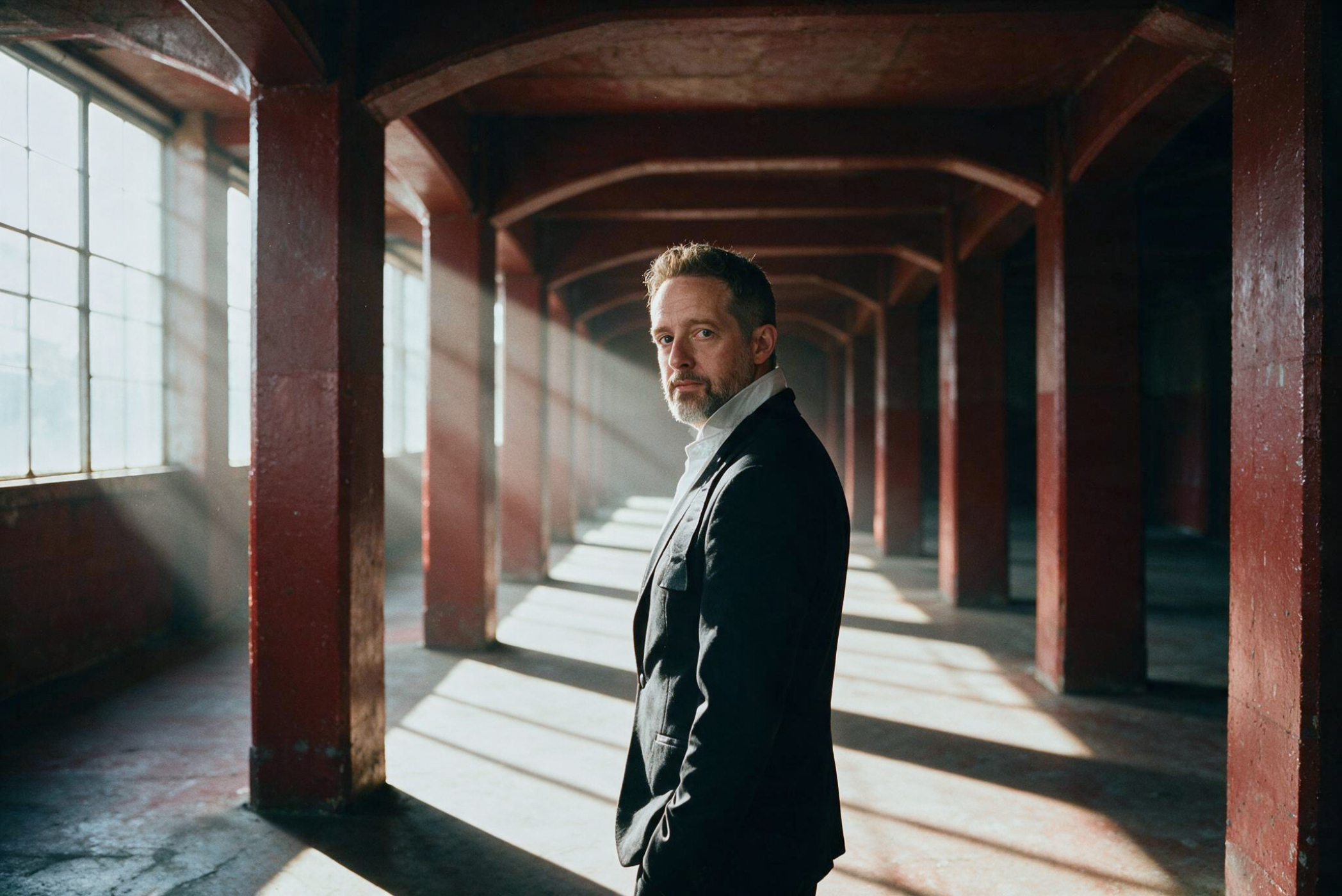
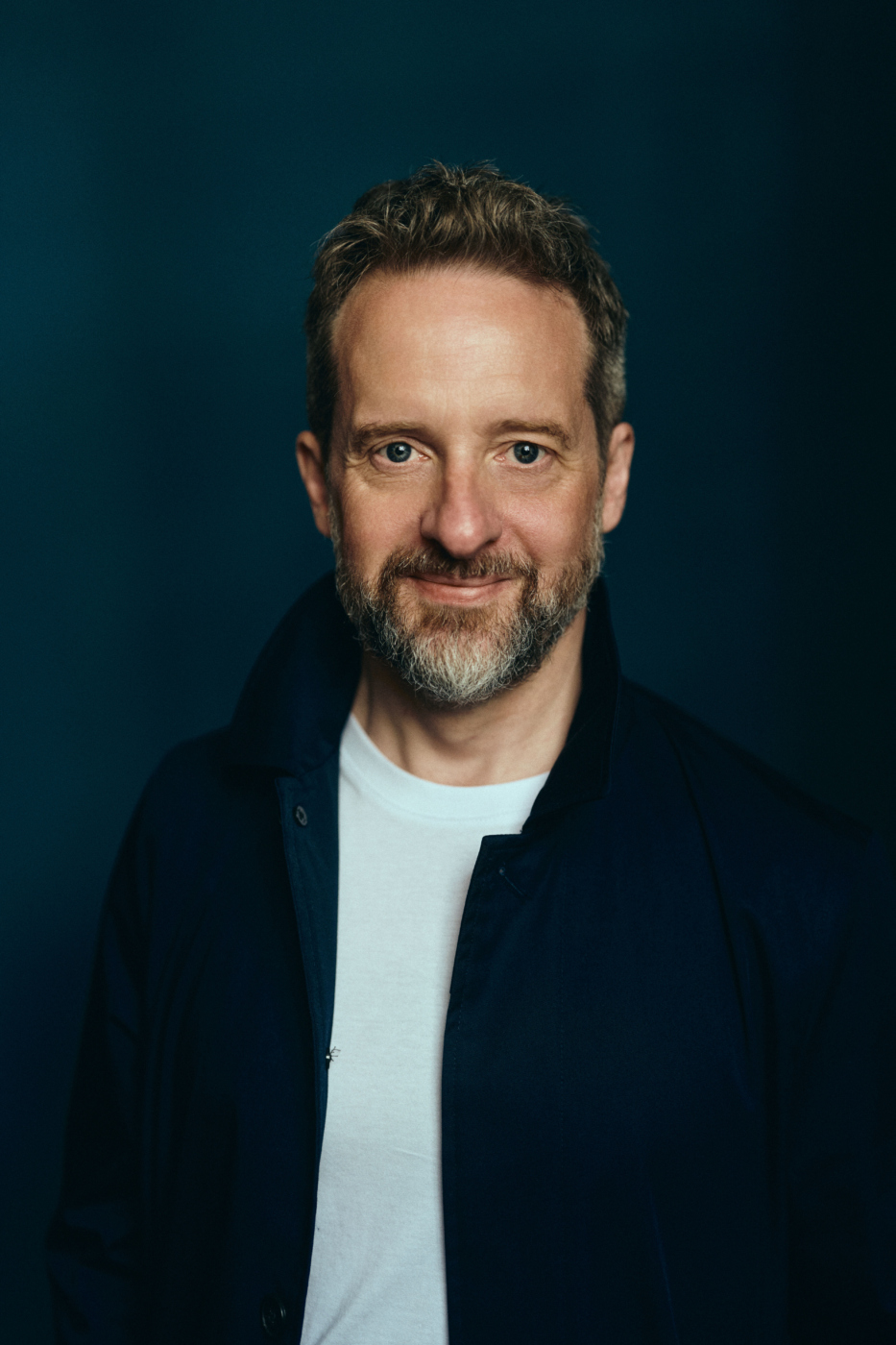
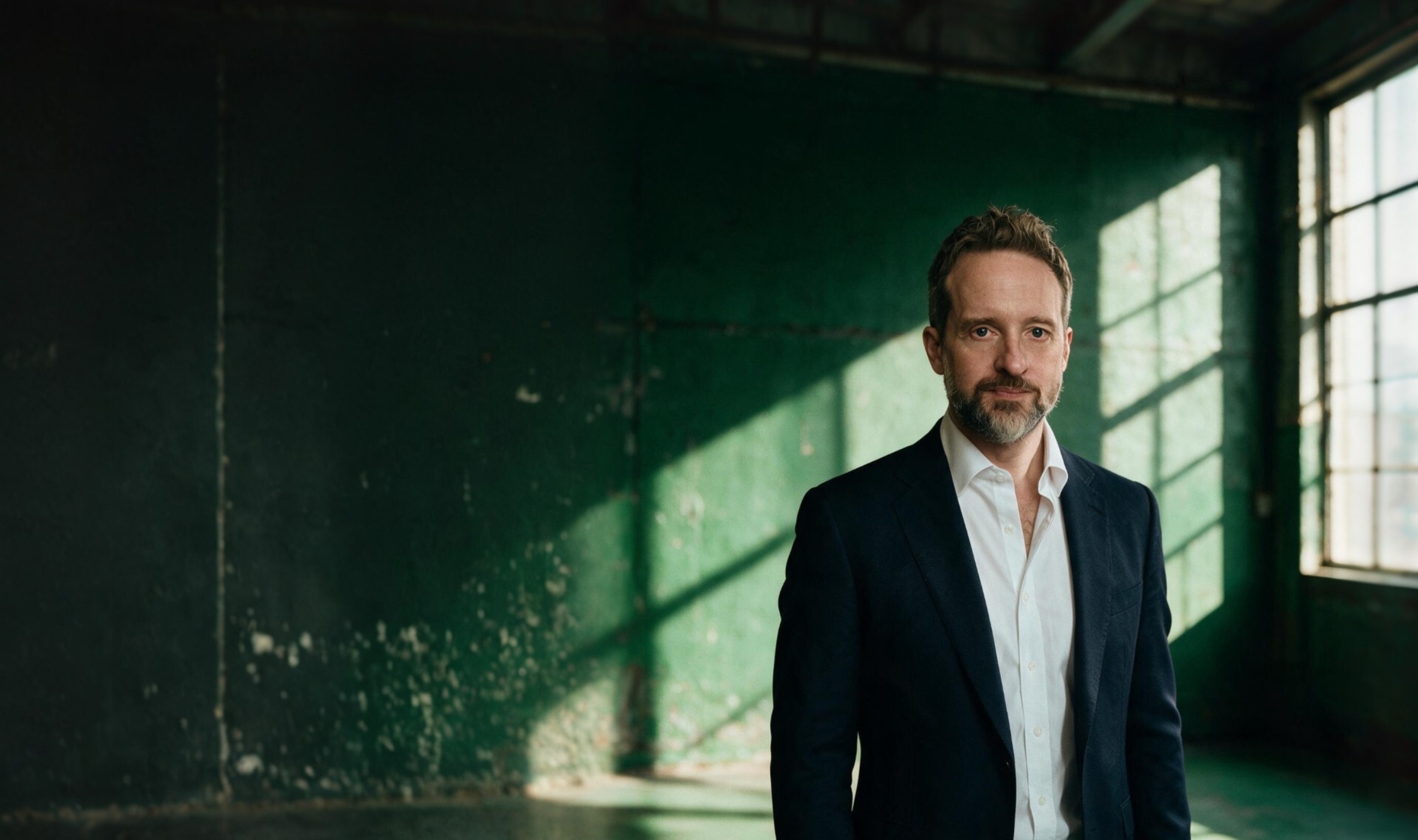
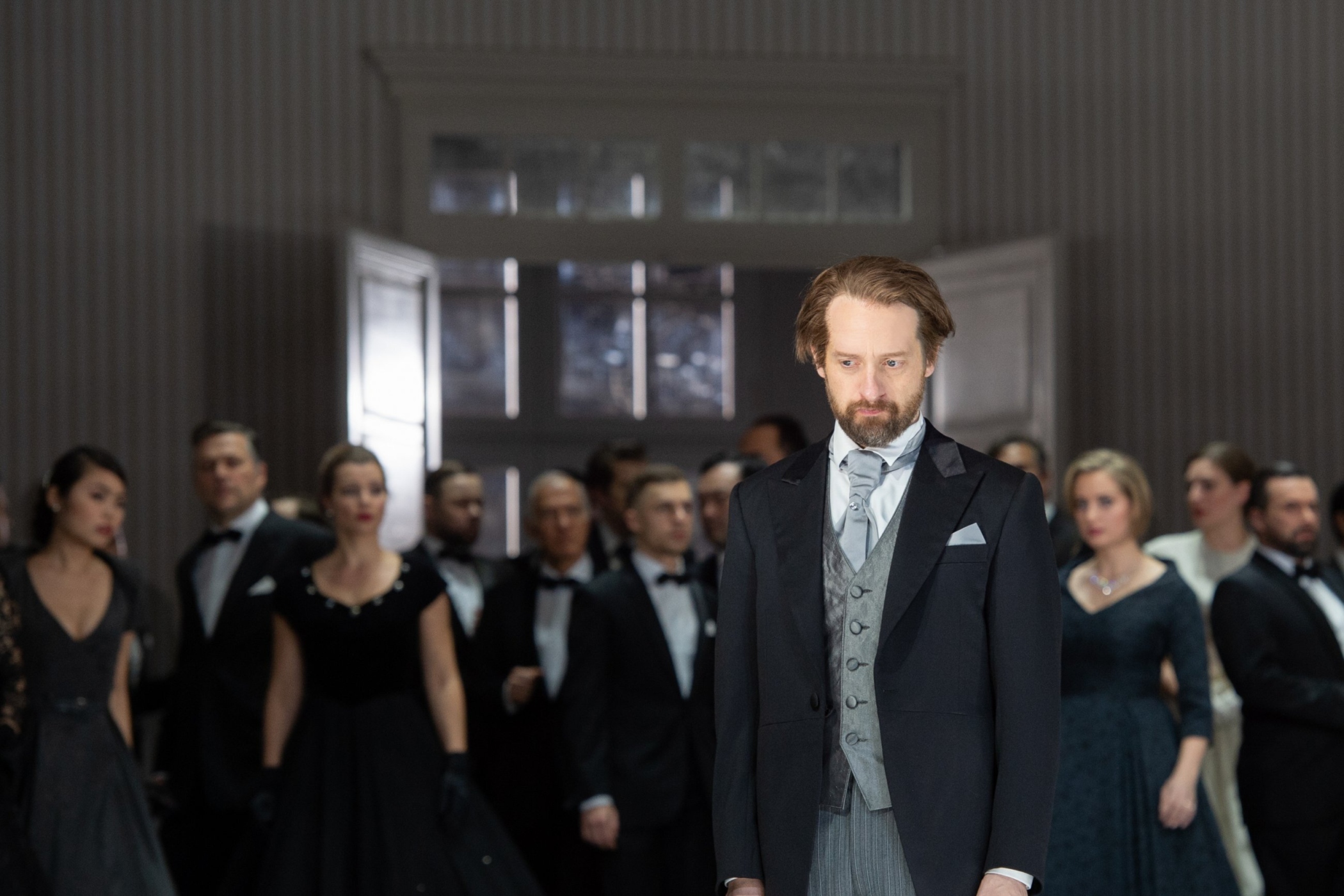
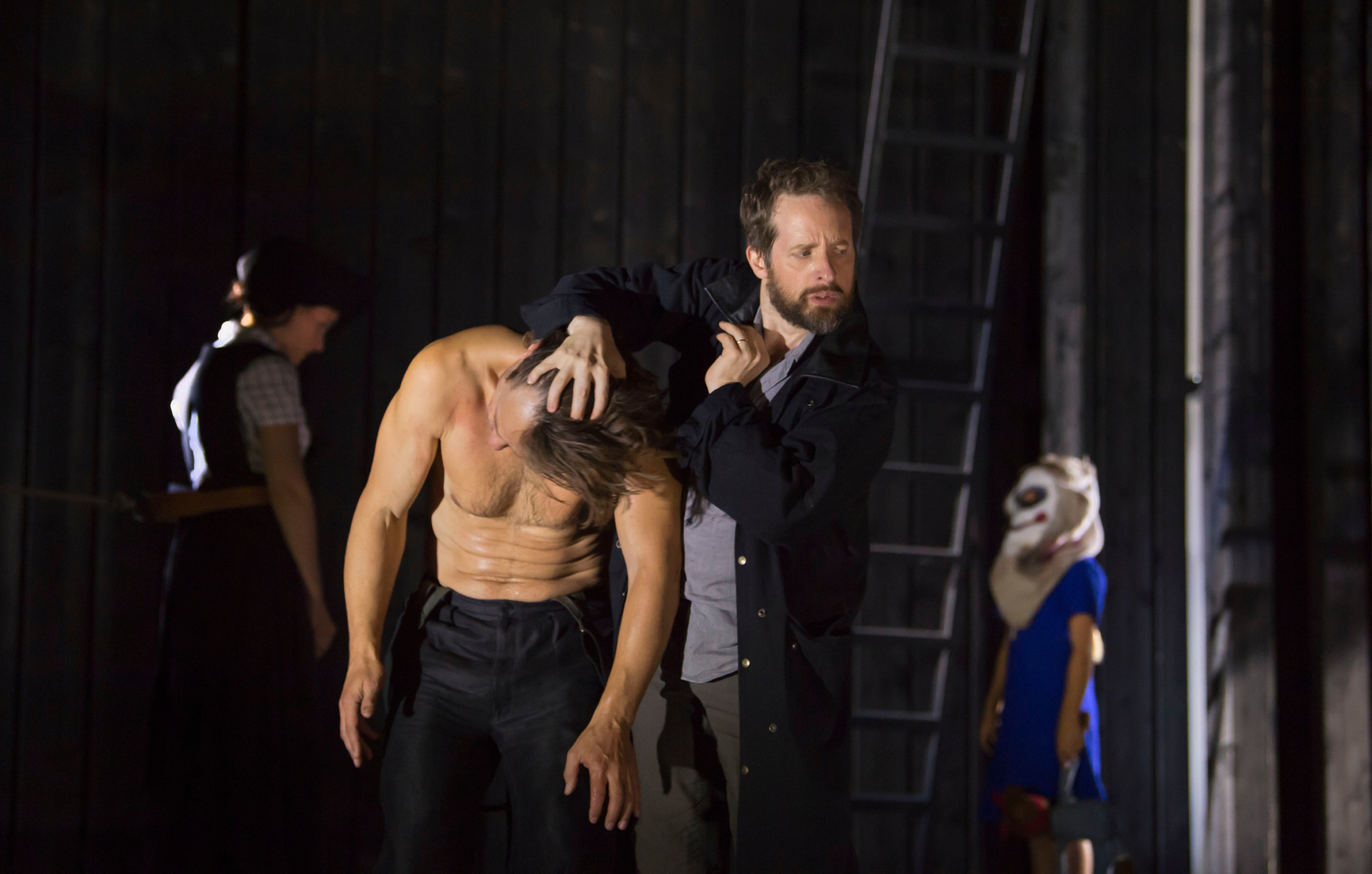
Andrew Foster-Williams has carved out a distinguished international career playing a wide range of operatic roles, each brought to life with vocal authority, dramatic insight, and stylistic finesse. His artistry is defined not only by the breadth of his repertoire but by the depth with which he inhabits each role whether villainous, noble, comedic or tragically complex.
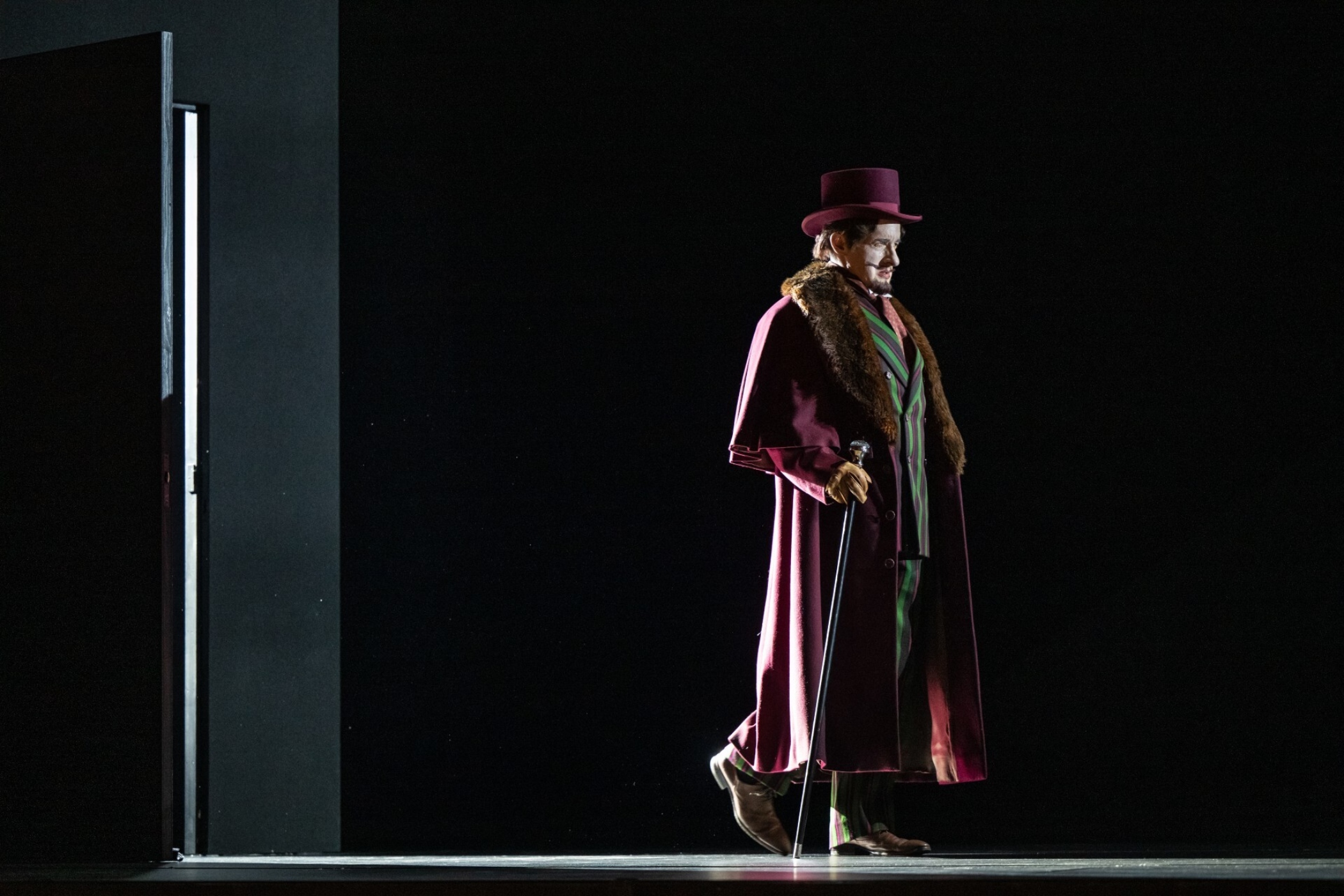
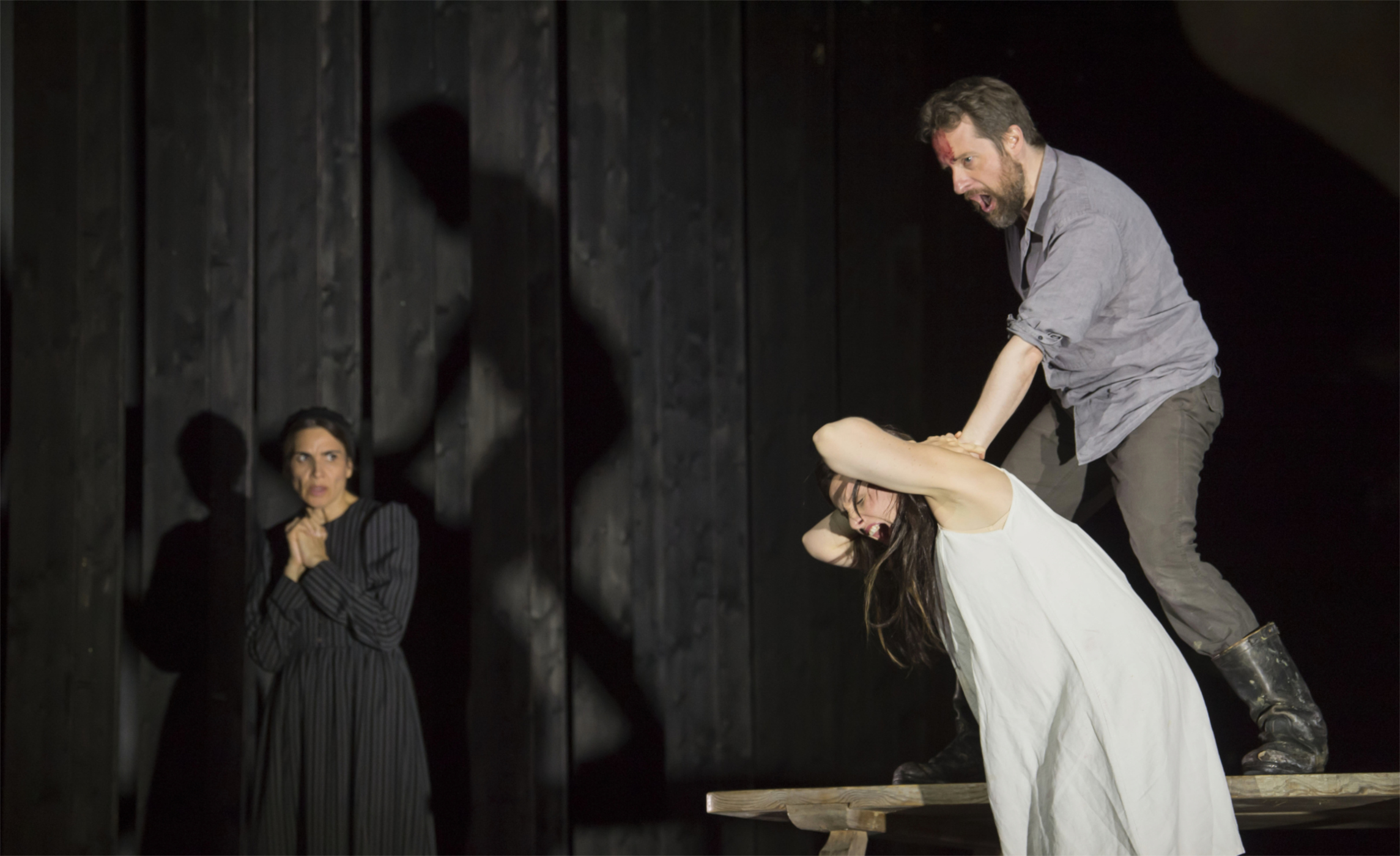
As the Four Villains (Les contes d’Hoffmann), he demonstrated his remarkable versatility in a new production by Andreas Homoki at Opernhaus Zürich, and in subsequent productions for Gothenburg Opera and Komische Oper Berlin. He reprises the roles once again this season, for the Theater St Gallen.
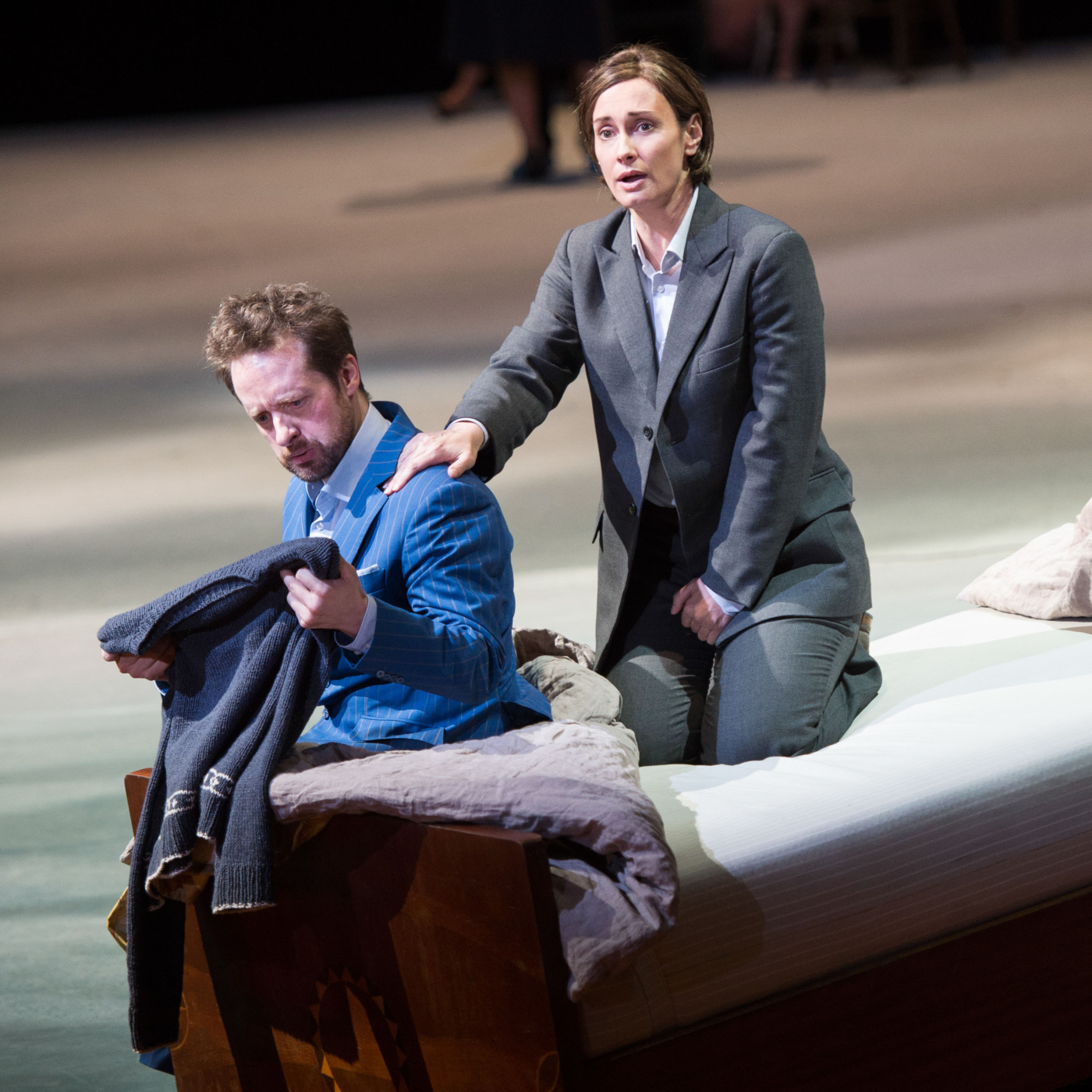
As another of opera’s most formidable antagonists, his portrayal of Don Pizarro (Fidelio) at Theater an der Wien and Philharmonie de Paris brought his ability to channel menace with vocal precision to the fore. His portrayal of Nick Shadow (The Rake’s Progress) at Opéra National de Lorraine was acclaimed for its fatal blending of charm and danger in equal measure. He returned to ENO last season as another of opera's arch manipulators, Don Alfonso (Così fan tutte), in Phelim McDermott’s 1950’s “roller-coaster of a production”, conducted by Dinis Sousa.
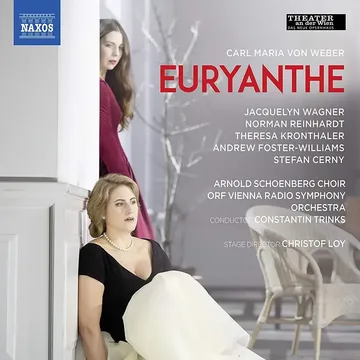
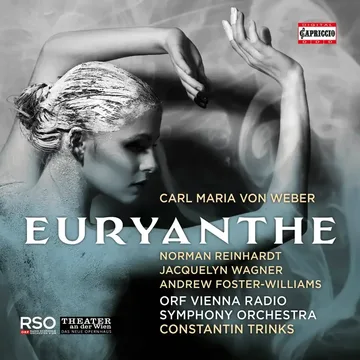
Andrew Foster-Williams’ portrayals of Gunther in Pierre Audi’s acclaimed production of Götterdämmerung and of Kurwenal in Ralf Pleger’s staging of Tristan und Isolde, both at La Monnaie and conducted by Alain Altinoglu, demonstrated his ability to embody the dignity and inner conflict of Wagnerian figures. Equally compelling are his interpretations of roles that demand moral weight and emotional complexity. His Captain Balstrode (Peter Grimes) at Theater an der Wien and Opéra de Lyon was praised for its warmth and integrity, and as Lysiart (Euryanthe), also at Theater an der Wien, he added psychological tension to the opera’s romantic intrigue. Delving further into introspective territory, Foster-Williams’ portrayal of Golaud (Pelléas et Mélisande) at Theater Basel captured brooding jealousy and vulnerability.
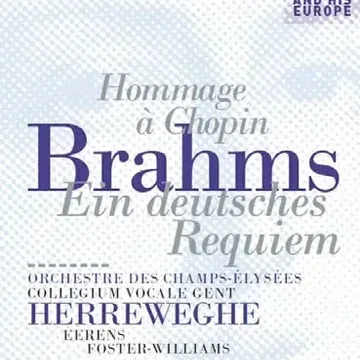
Outside the opera house, Andrew Foster-Williams has built an admirable concert profile and credits include engagements with Cleveland Orchestra, San Francisco Symphony, Royal Concertgebouw Orchestra, and London Philharmonic Orchestra. Recent appearances in signature pieces have included Elgar’s The Dream of Gerontius with Munich Philharmonic under Andrew Manze and with Tampere Philharmonic under Matthew Halls and Brahms’ Ein deutsches Requiem with Polish National Radio Orchestra and BBC National Orchestra of Wales conducted by Andrew Manze and Thomas Zehetmair respectively.
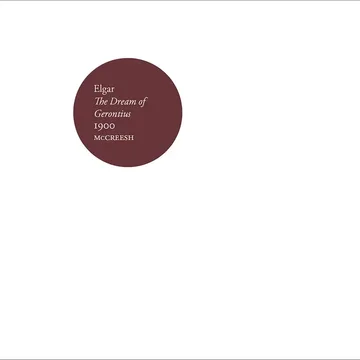
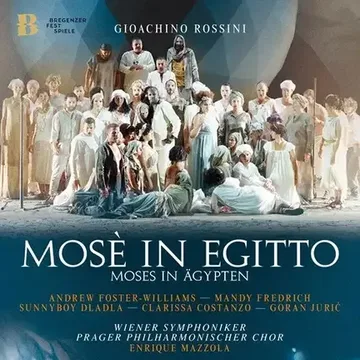
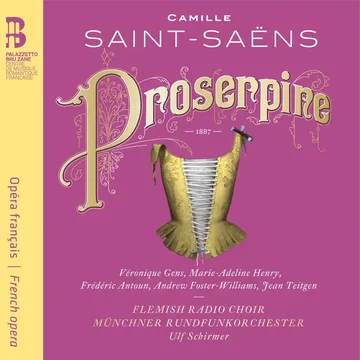
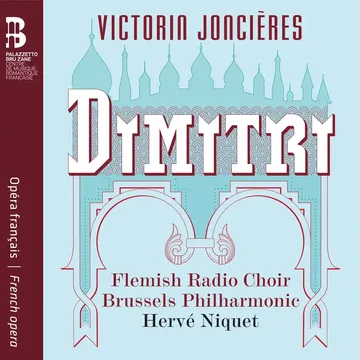
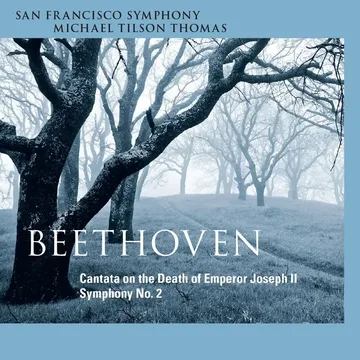
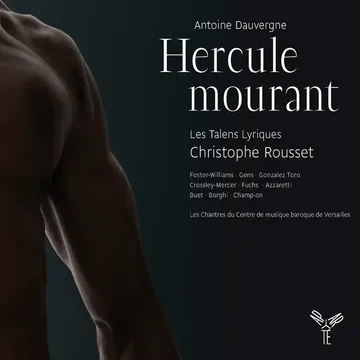
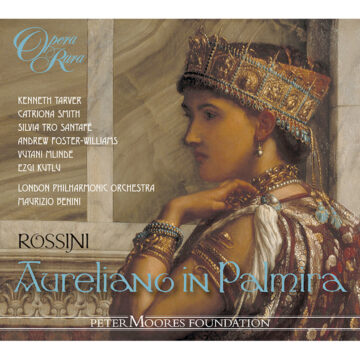
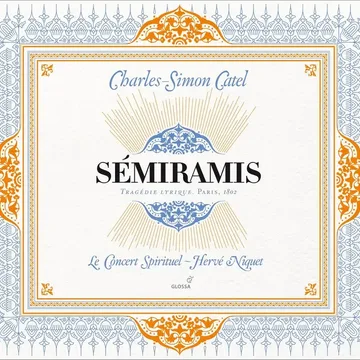
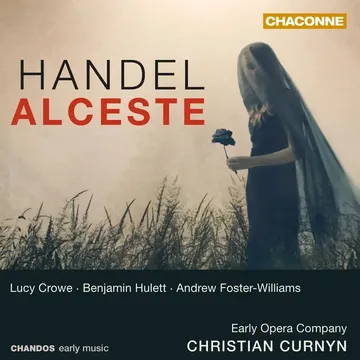
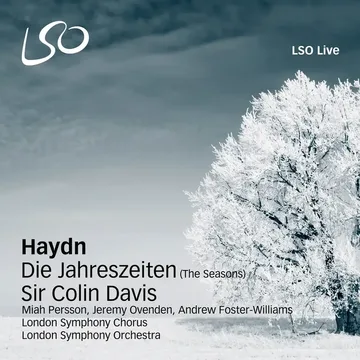
Andrew Foster-Williams' discography includes acclaimed recordings such as Beethoven’s Cantata on the Death of Emperor Joseph II and Haydn’s Die Jahreszeiten, as well as award-winning contributions to the Opéra Français series. His performance in The Fairy Queen with Glyndebourne Festival Opera, captured on DVD, earned a Gramophone Award. His recording of The Dream of Gerontius with Paul McCreesh and the Gabrieli Consort and Players, released on Signum, has received widespread acclaim, winning the 2024 Gramophone Award for best recording in the choral category and the 2025 BBC Music Magazine Choral Award.
This biography is for information only and should not be reproduced.
OFFENBACH: Les contes d'Hoffmann (Lindorf / Coppélius / Le docteur Miracle / Le capitaine Dapertutto)
Theater St. Gallen / Sep 2026
“Andrew Foster-Williams performs Lindorf/Coppélius/Dr. Miracle/Dappertutto with impressive vocal authority, dramatic empathy and finesse.”
Jan Krobot, Online Merker
“Villazón’s Mephistophelian opponent, Lindorf, was embodied by Andrew Foster-Williams with a demonic-cored bass baritone and an outstanding, eerie stage presence. Especially in the disguises as the deceiver Coppélius, as Dr. Miracle taking a perverse joy in killing, and as self-confident manipulating Dapertutto, Andrew Foster-Williams achieved a fantastic covering of all the roles.”
Kaspar Sannemann, Oper Aktuell
"In the four villain roles, Andrew Foster-Williams triumphs with threatening low notes that never compromise textual clarity. He excels as Dr. Miracle and provides a superb counterpoint to Hoffmann.”
Opera Diary
HANDEL: Orlando (Zoroastro)
Longborough Festival Opera / 2026
“Andrew Foster-Williams’ clear, avuncular sonority [as] Zoroastro”
Bachtrack
“As Zoroastro, Andrew Foster-Williams with his strong and secure bass-baritone, was a dynamic presence as he both commented on and manipulated events.”
Music OMH
“Andrew Foster-Williams as the mage, bold, commanding, clear and enigmatic … had us gripped, a proper showman and an absolute natural on stage.”
Opera Now
“Andrew Foster-Williams, the only man on stage, brings a graceful gender fluidity and sense of mischief to this rewarding bass role.”
Stagetalk Magazine
“In act three, Zoroastro reappears cheerily from within the audience, sung with cheeky humour by Foster-Williams.”
The Telegraph
MOZART: Così fan tutte (Don Alfonso)
ENO & Bridgewater Hall / Feb 2026
“Andrew Foster-Williams’s words, carried on resonant tone, pinged out with particular clarity, and his spivvy Don Alfonso seemed to have the gift of being everywhere at once.”
Opera Magazine
“The idea works particularly well in this revival thanks to the portrayal of Don Alfonso by Andrew Foster-Williams, who asserts his splendid bass-baritone to excellent effect.”
Opera Online
“Andrew Foster-Williams is on superb form as spivvy Don Alfonso, just occasionally offering a tantalising glimpse of self-doubt.”
The Guardian
“Andrew Foster-Williams’s superb, magician-like Don Alfonso is a kind of Oberon figure, half sinister trickster, half playful chum.”
The Times
ELGAR: The Dream of Gerontius | Andrew Manze
Munich Philharmonic / Mar 2026
“Andrew Foster-Williams masterfully portrays the priest with a charismatic baritone presence.”
Klassik.com
“Andrew Foster-Williams possesses the appropriate, robust bass power for both the priest and the angel of death.”
Merkur
OFFENBACH: Les contes d'Hoffmann (Lindorf / Coppélius / Le docteur Miracle / Le capitaine Dapertutto)
Opernhaus Zürich / Jun 2025
“Andrew Foster-Williams is this demonic Docteur Miracle, putting authority, seduction and sheer scorn into his voice, a Mephistophelean character that he also reveals in the remaining acts as Lindorf, Coppélius and Dapertutto.”
Oper-Aktuell
“Andrew Foster-Williams portrays Lindorf / Coppélius / Le docteur Miracle / Le capitaine Dapertutto with a subtle demonic quality that perfectly fits the director’s concept. His voice is perfectly controlled and captivates with wonderful baritone colors.”
Online Merker
BRITTEN: Peter Grimes (Captain Balstrode)
Opéra de Lyon / May 2025
“Andrew Foster Williams already played Captain Balstrode at the Lyon premiere of the work in 2014. His voice is strong and full-bodied, which fits in well with the vision of the character.”
Olyrix
“Andrew Foster-Williams plays a solid Balstrode, with a powerfully projected timbre that nonetheless reveals the flaws of a man who deep down desires Peter’s disappearance.”
Premiere Loge
BRITTEN: War Requiem | Matthew Halls
Tampere Philharmonic / Apr 2025
“Andrew Foster-Williams sang Owen’s parts with internalised certainty and simplicity, respecting the mood and content of the texts.”
Kulttuuri-toimitus
WAGNER: Götterdämmerung (Gunther)
La Monnaie / Feb 2025
“Andrew Foster-Williams sculpts Gunther’s pathetic scheming in an impeccably curvaceous baritone.”
Diapason
“The Gibichungen are also top-notch. It’s hard to imagine a more spineless and cowardly character than the ghost played by Andrew Foster-Williams. His flashy looks resonate with a deliberately sophisticated singing style that contrasts perfectly with Hagen’s abrupt outbursts.”
Forum Opera
“After appearing as Donner in Rheingold at La Monnaie last season, Andrew Foster-Williams returns to the role of Gunther. With great musical intelligence, he brings all the vocal and psychological ambiguity inherent in this fallible character, overtaken by the demonic enterprise of his half-brother Hagen.”
ResMusica
“Andrew Foster-Williams is fully convincing as Gunther, alternately weak, aggressive, repentant… His clear timbre also contrasts effectively with the other deep voices in the cast.”
Premiere Loge
“Andrew Foster-Williams returns to the stage at La Monnaie in the role of Gunther, king of the Gibichungen. The bass-baritone, who previously played Donner in Das Rheingold, distinguished himself with a deep, generous and serious timbre. Here, he imposes himself with an elegant, refined prosody and an authority imbued with humanity.”
Olyrix
Recording | The Dream of Gerontius | Gabrieli Consort and Players
May 2024 / Signum Classics
BBC Music Magazine Awards 2025 Winner - Choral
“Bass-baritone Andrew Foster-Williams finds just the right combination of awe and empathy intoning the Priest’s ‘Proficiscere, anima Christiana’, his proclamation sharpened by the rasp of period brass. In Part Two he is an appropriately solemn, firm-toned Angel of the Agony, his delivery prayerful and heartfelt rather than brashly declamatory.”
BBC Music Magazine
Gramophone Choral Award 2024
Gramophone
“Andrew Foster-Williams also cuts a powerful figure as the Priest in another stately march (‘Proficiscere, anima Christiana’) whose tempo is perfectly judged, and his impassioned, more mordant aria as the Angel of the Agony, replete with some of the most anguished chromaticism in the work, provides a powerful foil and preparation for the dramatic culmination of Gerontius’s glimpse of the Almighty.”
Gramophone
“Andrew Foster-Williams’ warm, comforting bass-baritone, joined by the strong chorus, confident in the redemption of Gerontius’ soul… Foster-Williams reappears, this time as a genuinely compassionate, beseeching Angel of the Agony (the world of Parsifal comes very close here).”
Slipped Disc
“The period instruments intensify the emotion and textural variety in Elgar’s writing here, and Spence, Stéphany and Foster-Williams are superb in the solo roles.”
The Sunday Times
HANDEL: Deborah (Abinoam)
Internationale Händel-Festspiele Göttingen / Apr 2024
“The bass-baritone Andrew Foster-Williams sang with wonderful embellishments”
Göttinger Tageblatt
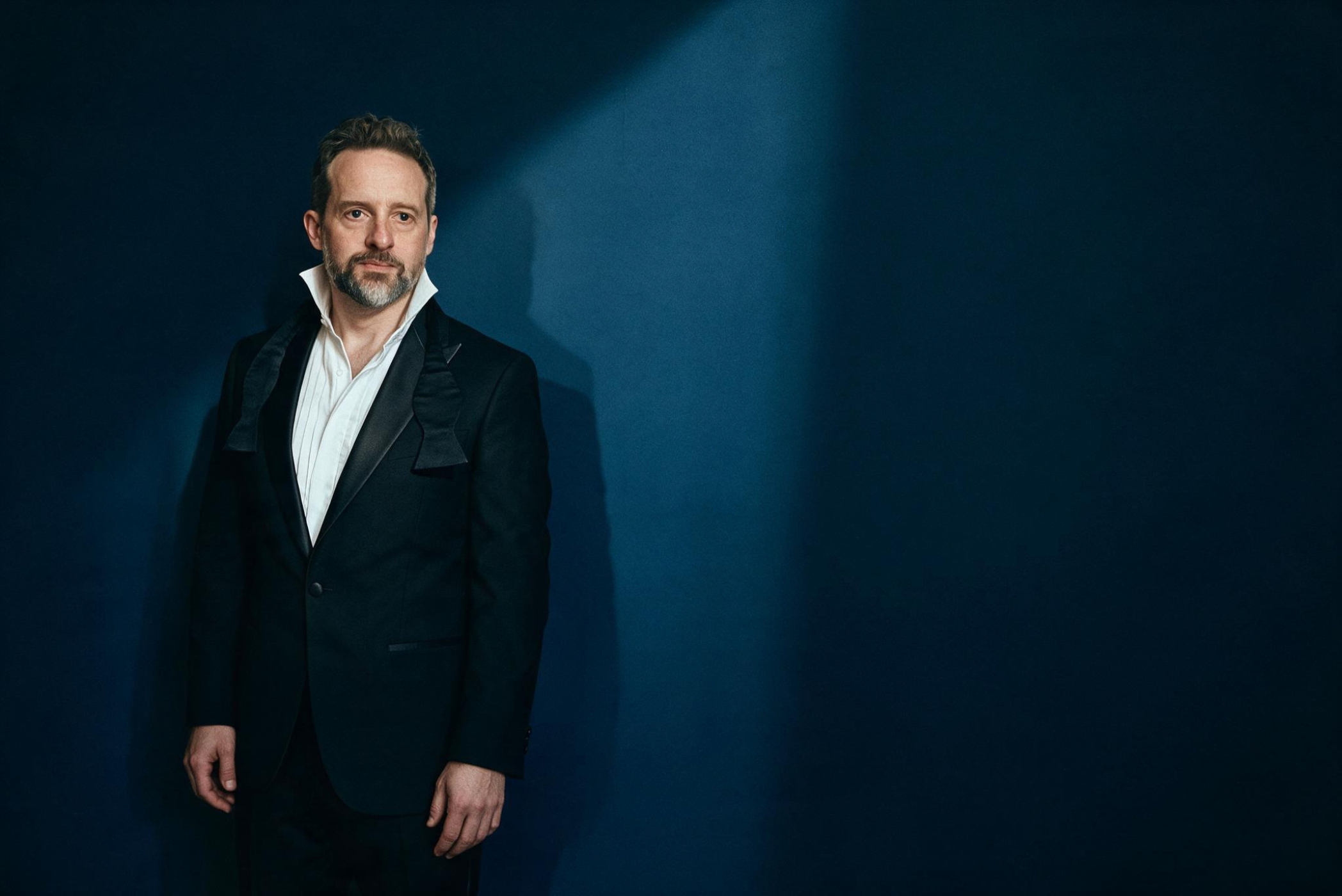
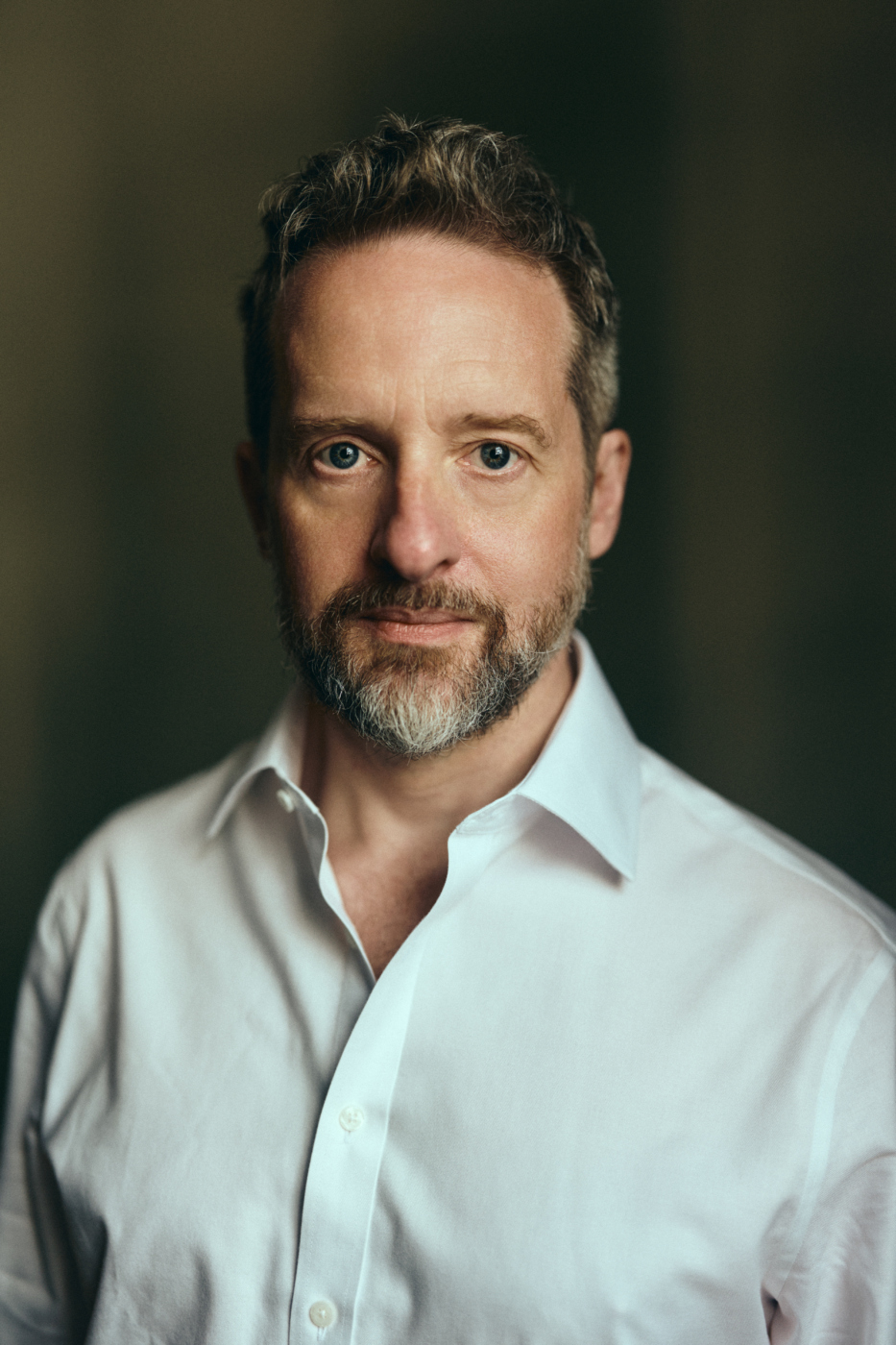
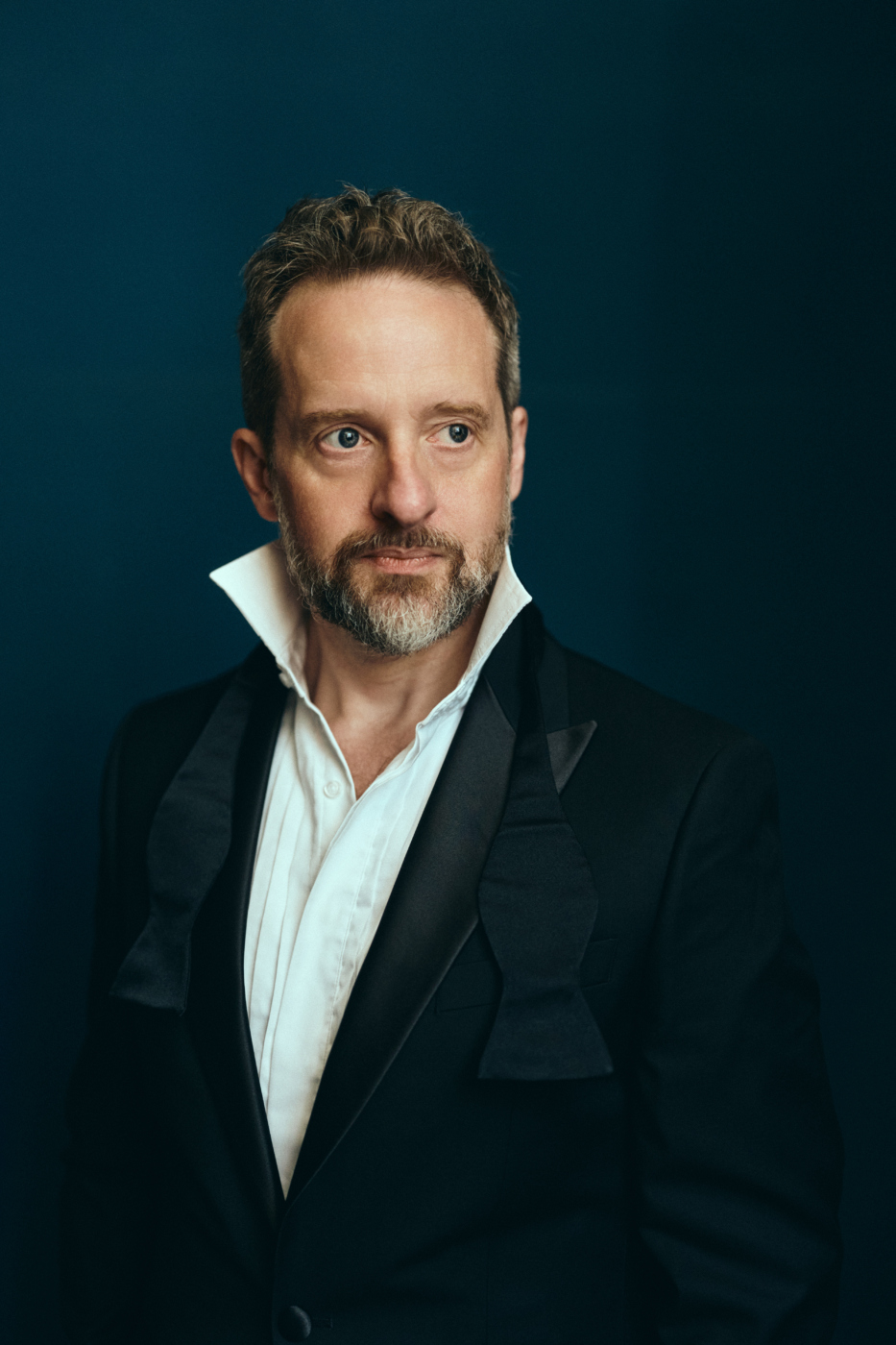
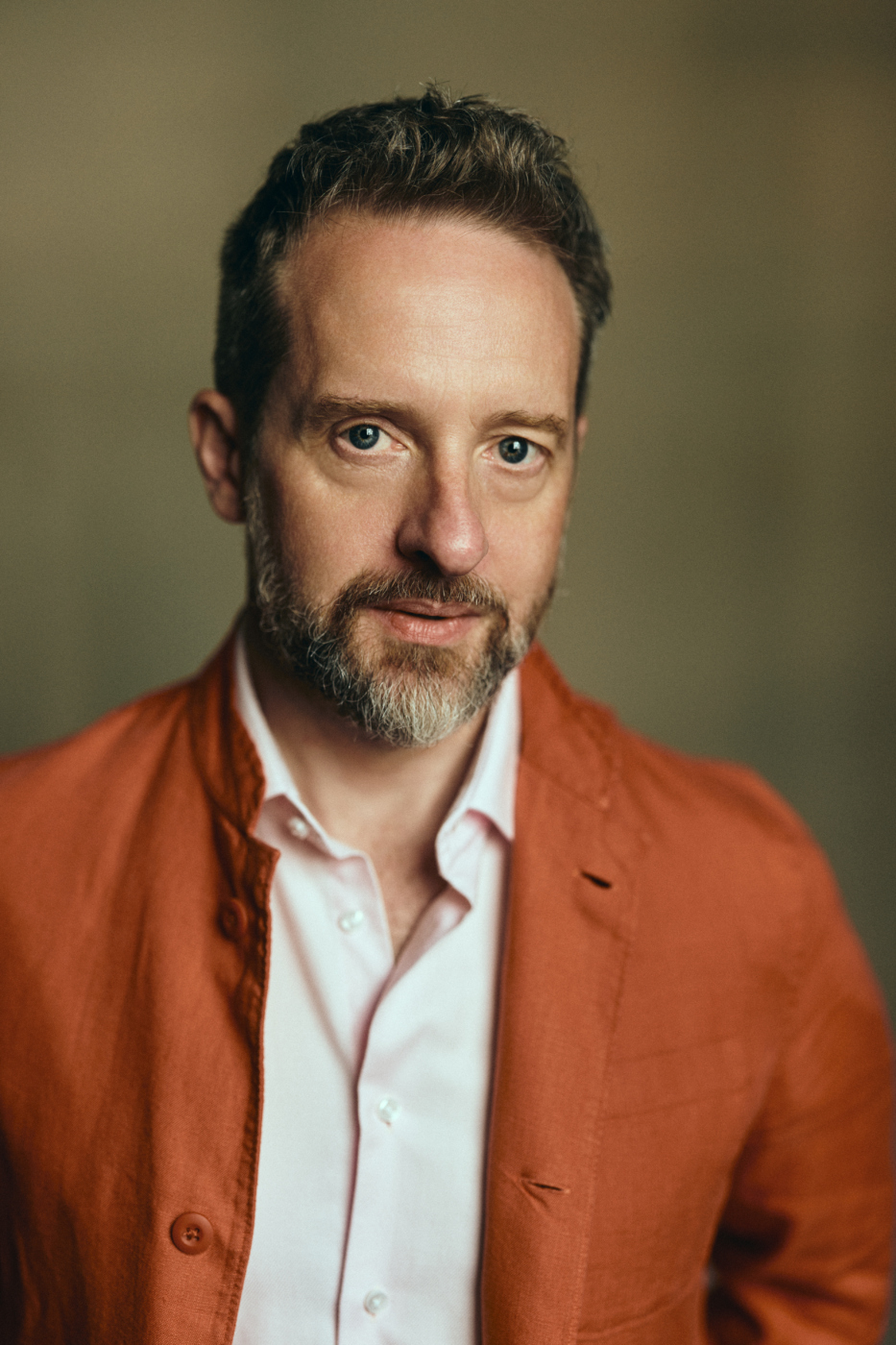
These photos are available to be downloaded.
Right click on a desired image and select the "Save Link As" option.