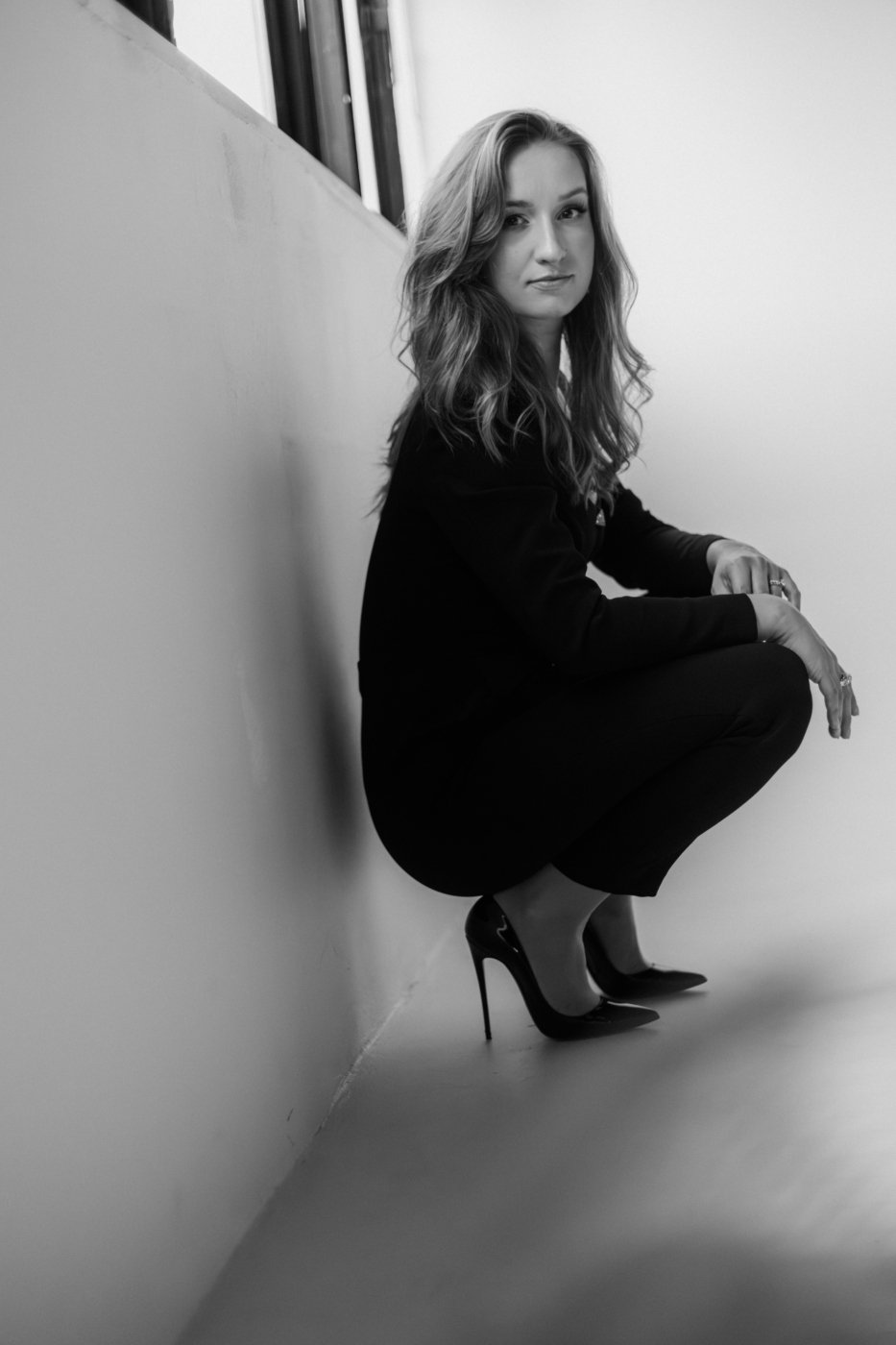
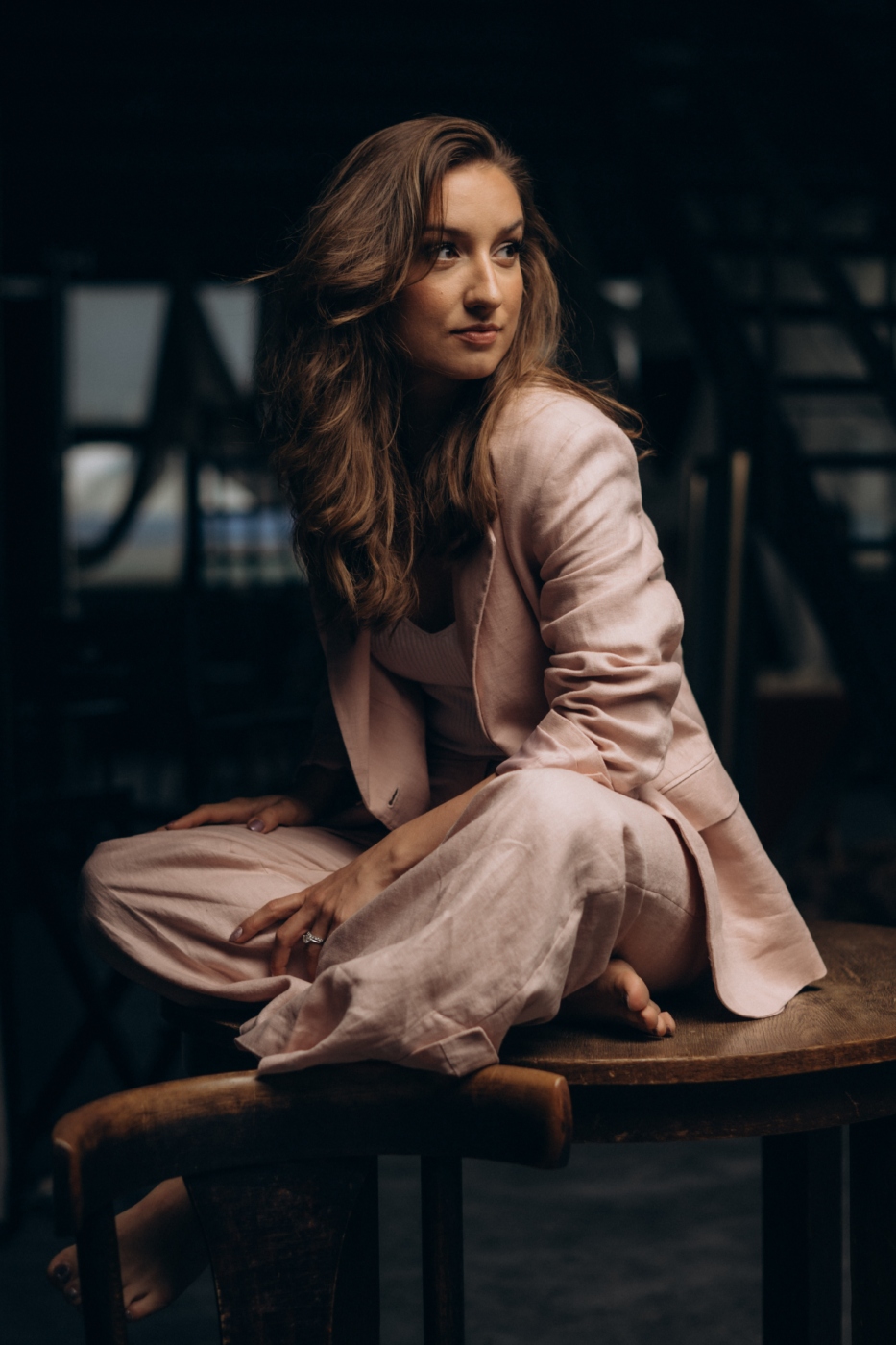
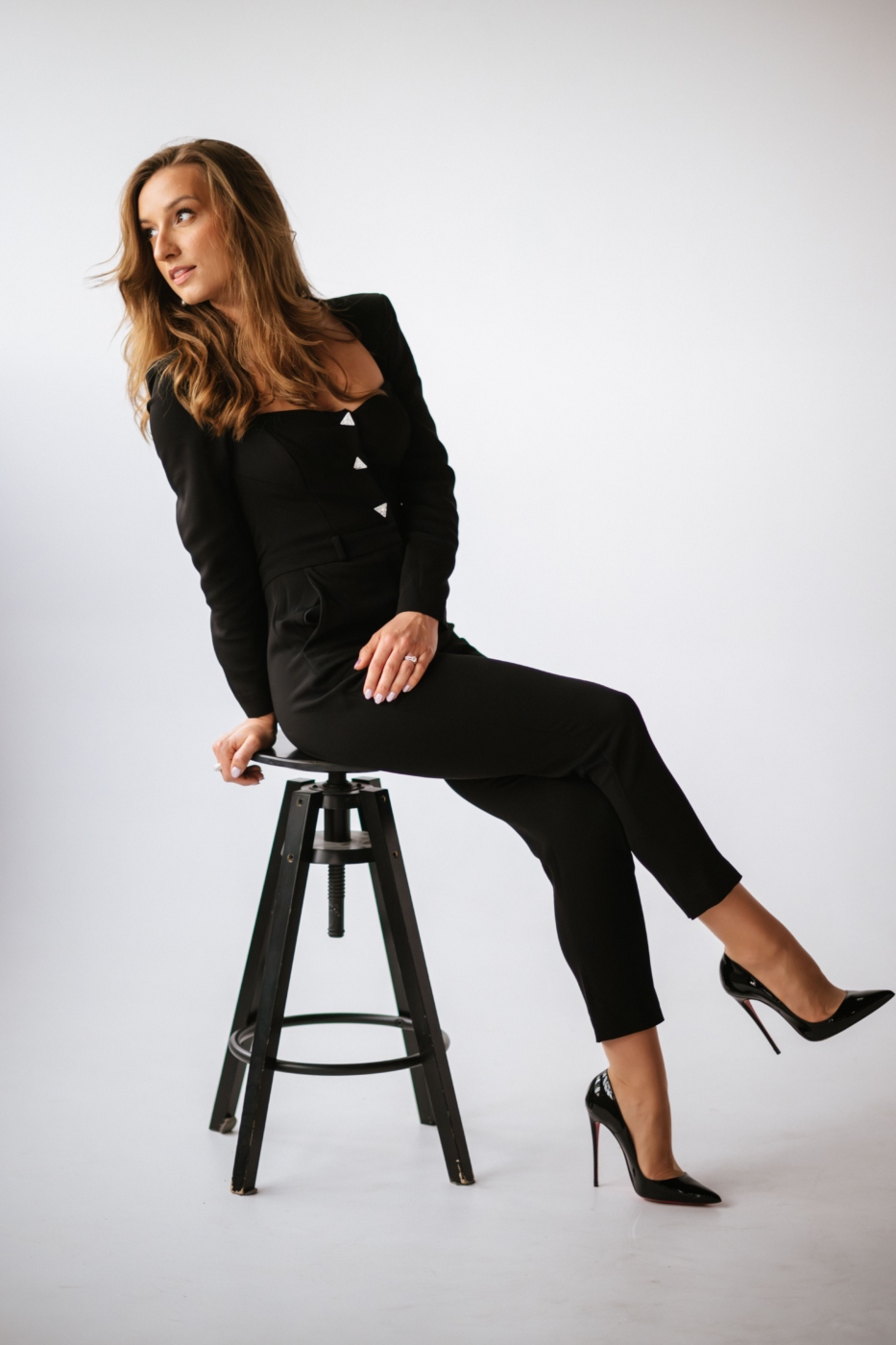
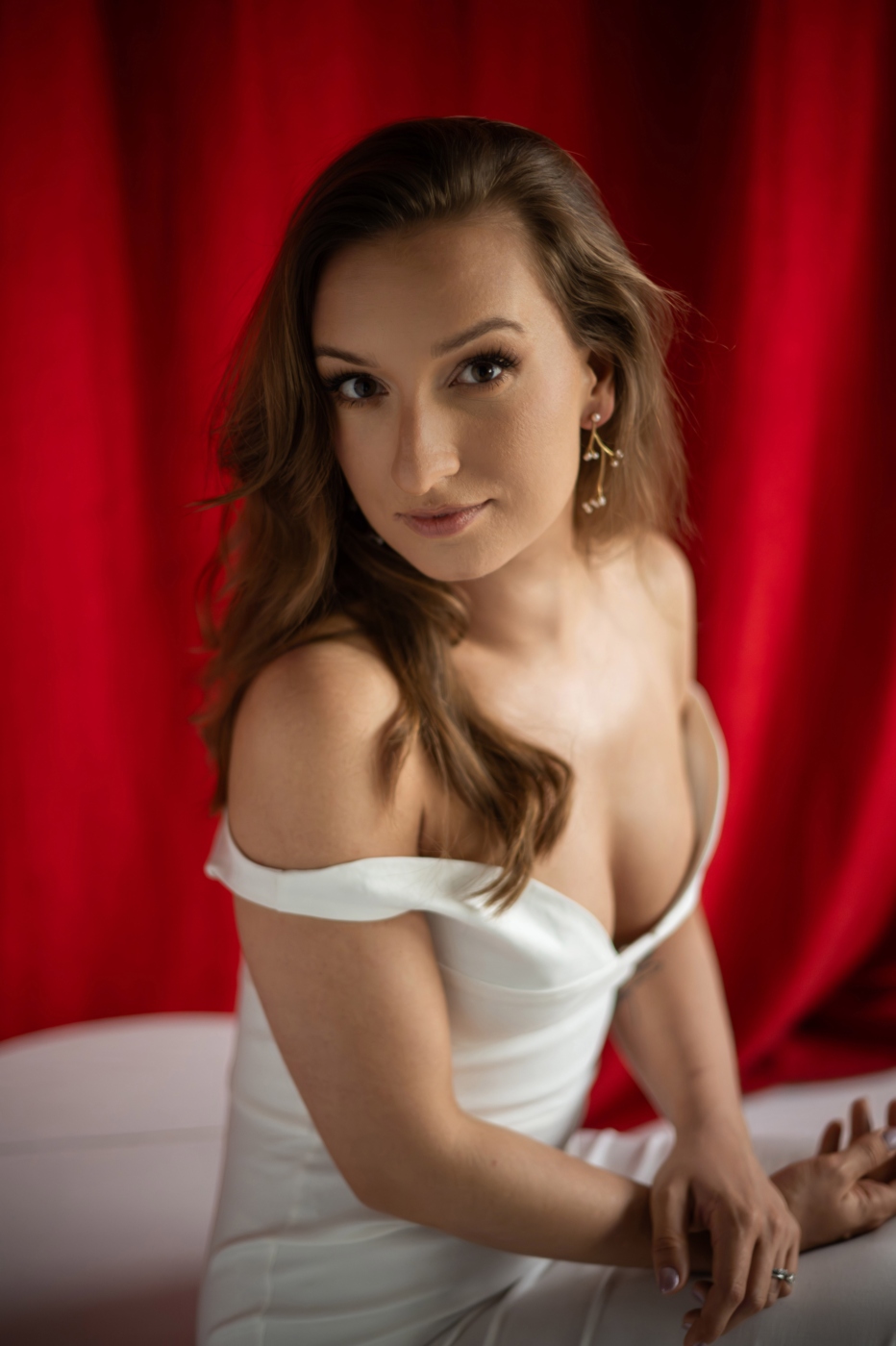
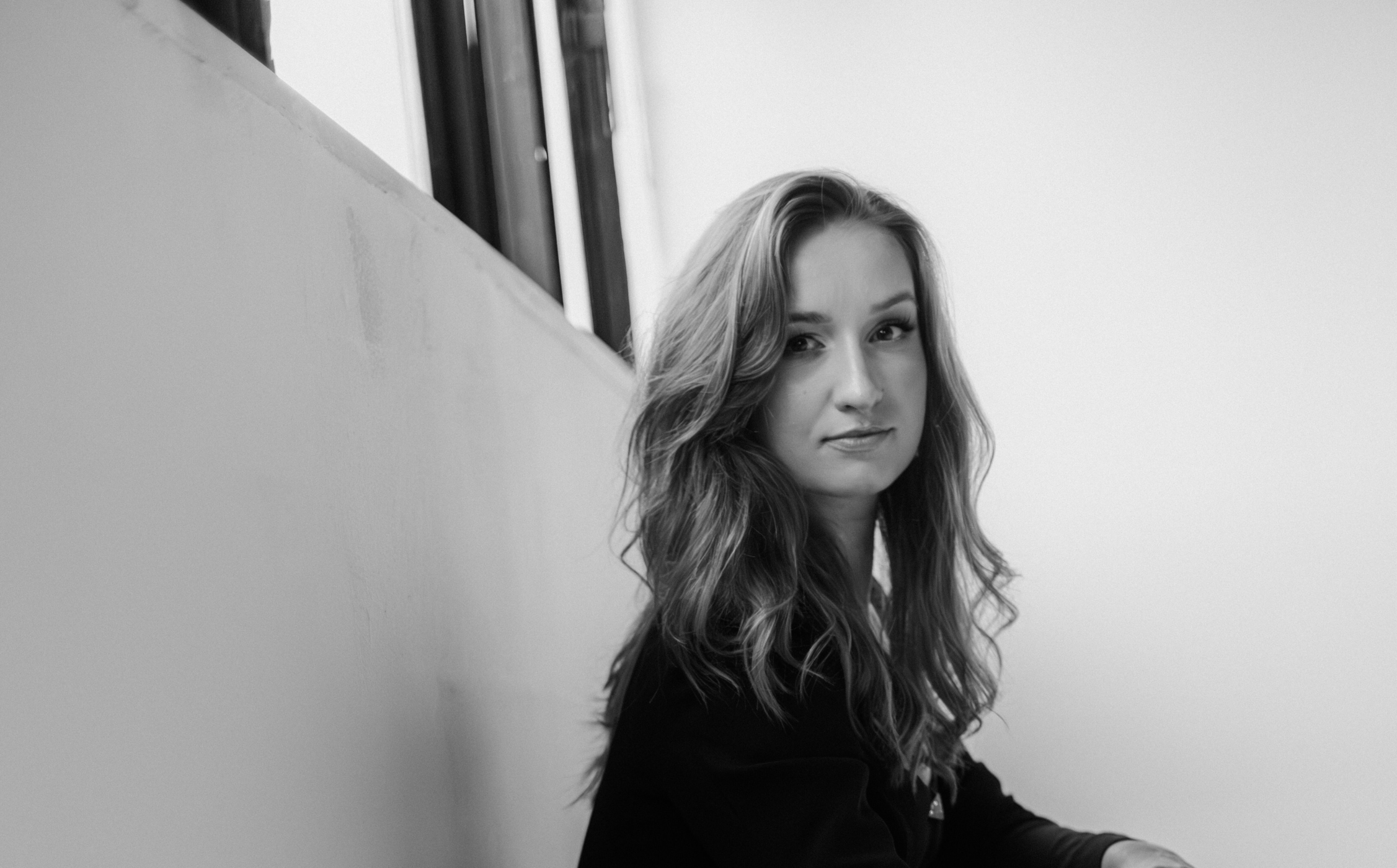
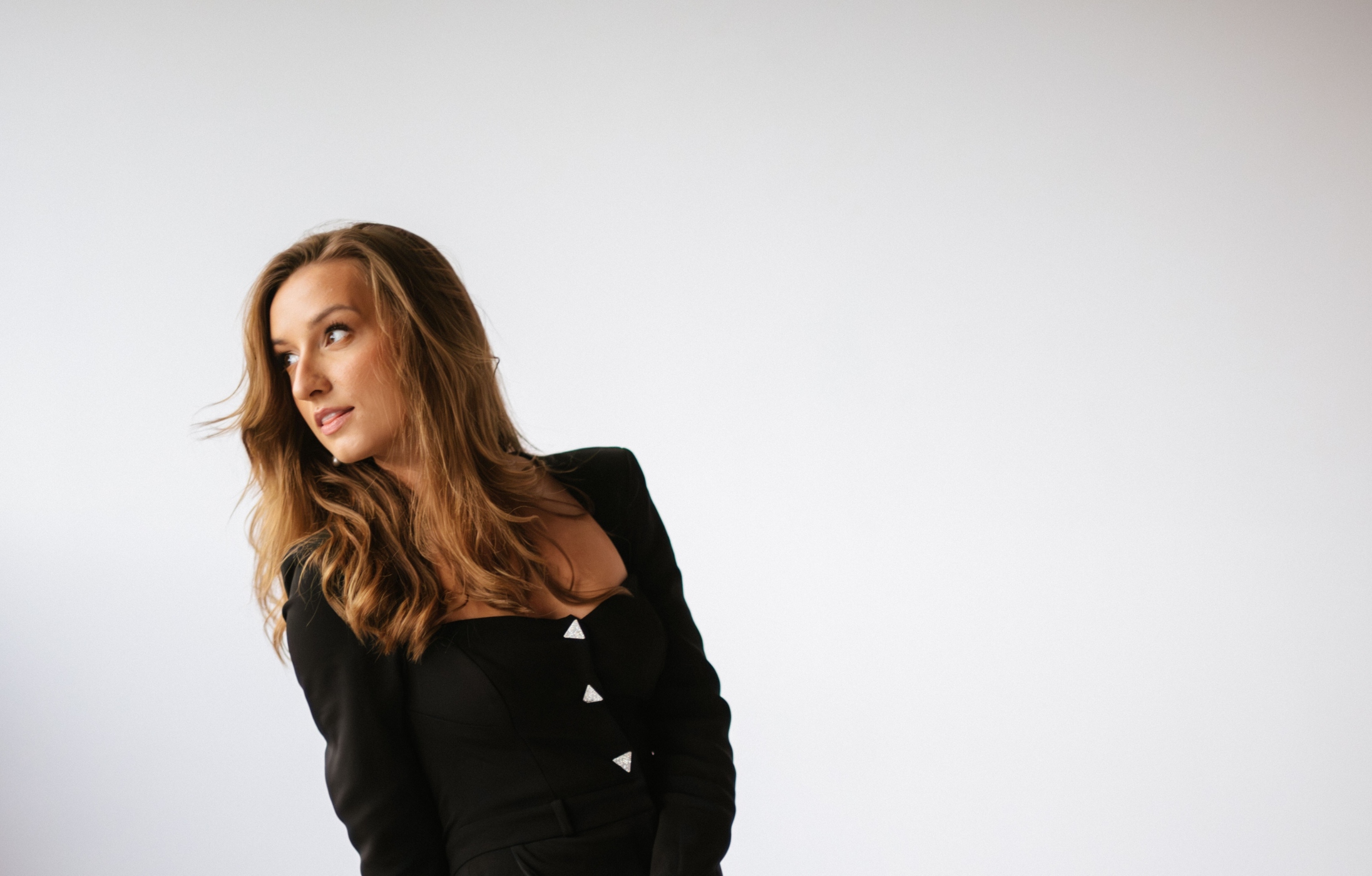
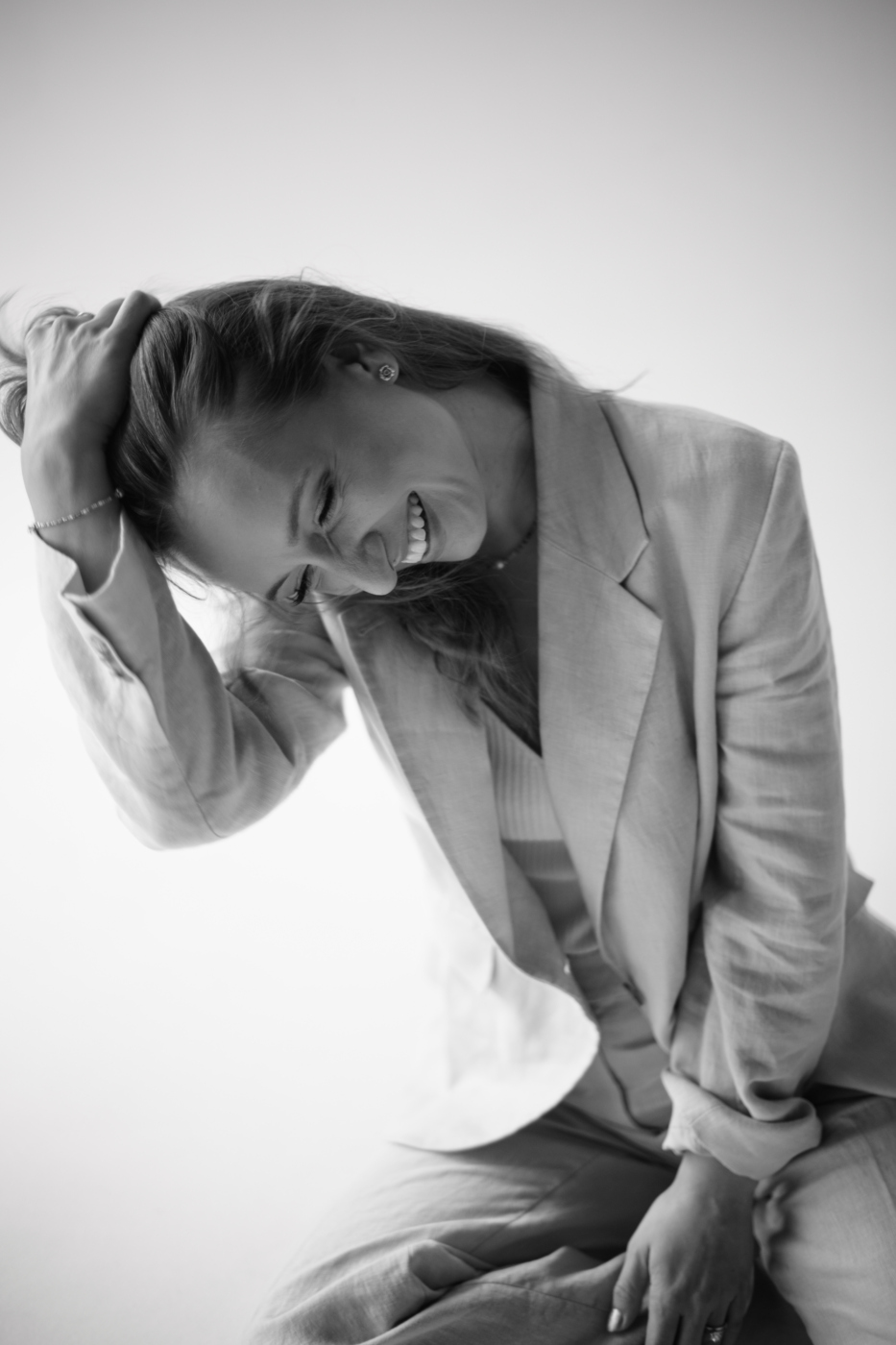
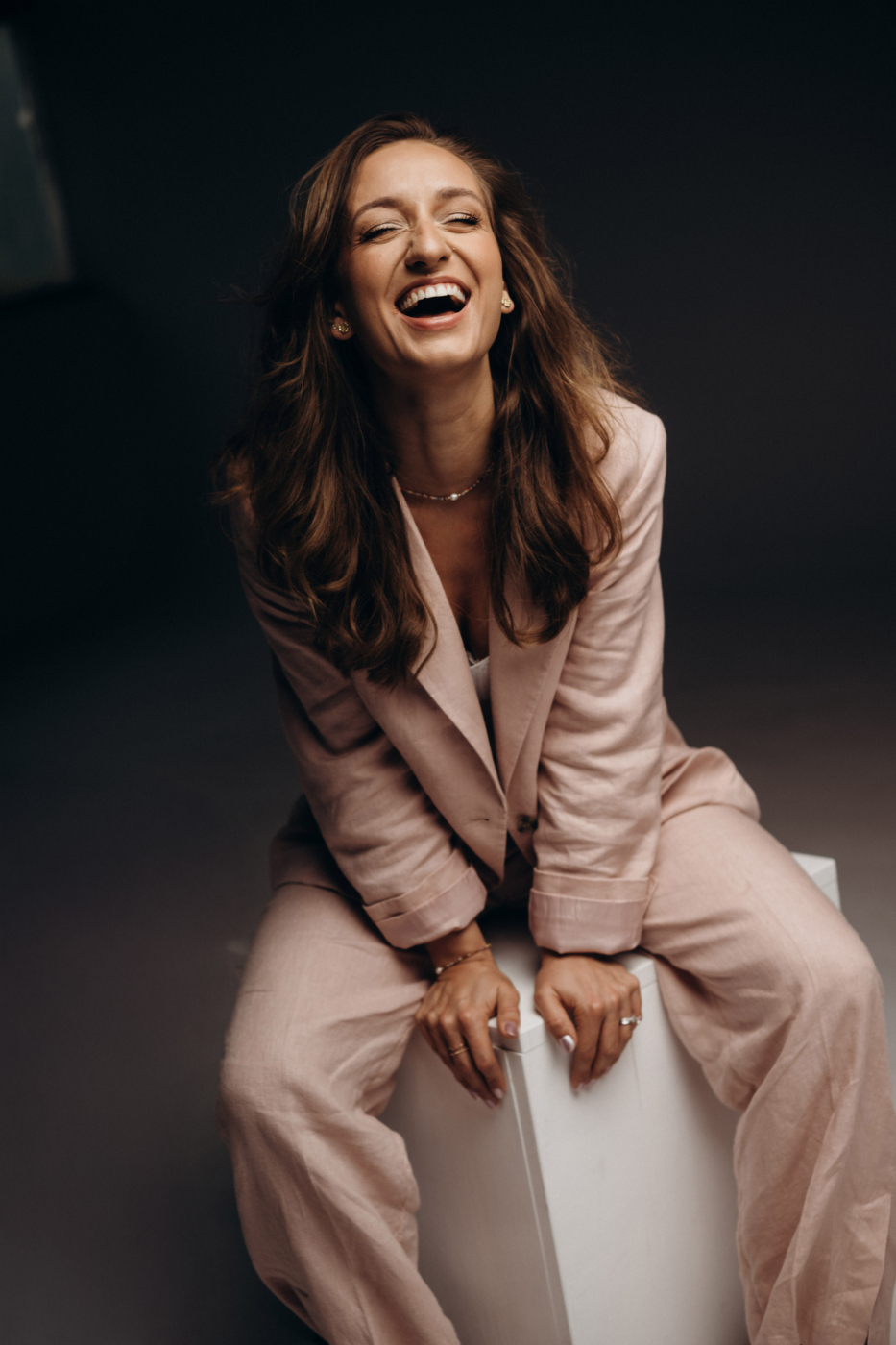
Monika Buczkowska-Ward is a versatile soprano known for her performances across Europe, with a repertoire that spans from baroque to contemporary works. Renowned for her strong vocal technique, engaging stage presence, and emotional depth, she has built a reputation for captivating audiences with her expressive performances and rich vocal tone.
In the 2024/25 season Monika made a highly acclaimed role debut as Händel’s Alcina, marking a significant step in her ongoing exploration of the baroque repertoire. She returns to the role in the 2026/27 season for Oper Frankfurt, where she will also sing Teofane in Handel's Ottone. Later in the 2026/27 season she sings Donna Anna (Don Giovanni) in her debut for the Opéra de Lausanne.
A member of the ensemble at Oper Frankfurt since 2020, her other roles in the house have included Sifare
(Mitridate, Re di Ponto), Bellezza (Il trionfo del tempo e il disinganno), Oksana in Rimsky Korsakov’s Die Nacht vor Weihnachten and Madeleine, Madame de Latour in Adam’s Le Postillon de Lonjumeau.
Monika has performed across Europe at houses including Staatsoper Hannover, Opéra national du Rhin, Polish National Opera, and Polish Royal Opera, with roles spanning Handel, Mozart, Britten, and Puccini. Notable operatic appearances include Eudoxie (La Juive), Fiordiligi (Così fan tutte), Livia (L’italiana in Londra), Lady Durham (Martha), and Susanna (Le nozze di Figaro).
In concert, she has appeared with the hr-Sinfonieorchester, Philharmonie Zuidnederland, and Tiroler Festspiele Erl, performing works such as Beethoven’s Symphony No. 9, Bruckner’s Te Deum, Brahms’ Ein deutsches Requiem, Pergolesi’s Stabat Mater, and Rossini’s Stabat Mater.
She was a finalist at the 10th International Stanisław Moniuszko Vocal Competition, where she received the Marta Eggerth and Jan Kiepura Prize, and has received awards from the Ada Sari Festival and the Canticum Gaudium Early Music Competition.
Monika has collaborated with conductors including Joana Mallwitz, Henrik Nánási, Juraj Valčuha, Erik Nielsen, Leo Hussain, Titus Engel, Duncan Ward, Christian Curnyn, Geoffrey Patterson, Pier Giorgio Morandi, and Sebastian Weigle. She has appeared in new works by directors including Johannes Erath, Tobias Kratzer, Brigitte Fassbender, Claus Guth, Tatjana Gürbaca and Katharina Thomas and Ted Huffman.
She studied at the I.J. Paderewski Academy of Music in Poznań, graduating with distinction, and later joined the Young Artists Program at the Akademia Operowa of the Polish National Opera. Born in Poland, Monika continues to build a reputation for her expressive stage presence, strong vocal technique, and versatility across genres and styles.
This biography is for information only and should not be reproduced.
Ottone (Teofane)
Oper Frankfurt, October 2026
"It is safe to say that soprano Monika Buczkowska-Ward as Teofane was the evening’s star. She seized opportunities to showcase her grace and acting skills, especially during the dance scenes. But what was more impressive, she built a genuinely full character. Her core dramatic arc, from simple romantic hope to doubt, and heartbreak caused by misunderstandings, all the way to the final reconciliation, was demonstrated in a natural way. Her voice covered a wide emotional spectrum, turning arguably the most famous aria of the opera, 'Falsa immagine', into a convincing portrait of despair."
Mengguang Huang, OperaWire
“As Teofane, Monika Buczkowska-Ward surpasses even the impressive performance she gave in Handel’s Alcina last year. Even her coloratura passages and ornamentation, delivered with astonishing flawlessness, serve a musical characterisation that goes beyond superficial emotional effects, bringing her character vividly and movingly to life for the listener.”
Thomas Molke, Online Musik Magazin
“Teofane (Monika Buczkowska-Ward), whose vocal tone and phrasing are supple and fluid …”
Wolfgang Fuhrmann, Frankfurter Allgemeine Zeitung
“Monika Buczkowska-Ward, who can confidently face an evening that is demanding for her, is the perfect embodiment of a shy fawn with a great deal more cunning than one might expect. One believes her when she suggests that Teofane herself is initially unaware of this. Yet she already has a wonderfully stubborn way of expressing her discomfort. Later, she gets to perform several of the most spirited arias, delivering them with brilliance and seemingly boundless energy.”
“Monika Buczkowska-Ward is the star of the evening as Teofane. With her musicality and subtle character portrayal, she brings her role to life with extraordinary sensitivity and emotional depth.”
Michael Demel, Der Opernfreund
“Soprano Monika Buczkowska-Ward convincingly portrays her character’s delicate sense of uncertainty.”
Judith von Sternburg, Frankfurter Rundschau
“Ottone’s bride Teofane is sung by the fabulous Monika Buczkowska-Ward, who portrays her first as merely surprised, then as uncertain, and finally as triumphant. It is a story of emancipation of a very particular kind: that of a woman who initially tries to succeed by accommodating herself to others, fails in that attempt, and then discovers her own strengths.”
Markus Gründig, kulturfreak.de
“As Teofane, Monika Buczkowska-Ward delights with her full soprano and radiant high notes, convincingly tracing the transformation from a naïve young princess into a self-assured woman who gradually finds her own way and assumes a leading role. In her first major aria, ‘Falsa immagine’, she adopts an almost fragile approach, as Teofane cannot understand why the man presented to her bears no resemblance to Ottone’s portrait. Once she sees through the intrigue, however, a fighting spirit emerges in her voice as well. Also worthy of mention is an aria that Luks has added from the appendix to the score. It introduces another facet of Teofane’s character and is interpreted by Buczkowska-Ward with youthful freshness and agile coloratura. The final duet with Mynenko is another musical highlight of the evening.”
Wiesbadener Kurier
Mitridate re di Ponto (Sifare)
Oper Frankfurt (Dec 2025)
"Above all, it is the evening of the soprano Monika Buczkowska-Ward as Sifare, who sings with impeccable intonation and striking intensity. It is hard to resist the persuasiveness of this vocal beauty."
Jan Brachmann, FAZ
"The soprano Monika Buczkowska-Ward, scarcely recognizable as a slender youth, is a stunning Sifare - dark-timbred, agile, yet without any virtuoso affectation."
Judith von Sternberg, Frankfurter Rundschau
"Monika Buczkowska-Ward offers enchanting youthful enthusiasm and lyrical intimacy in her portrayal of Sifare”
Michael Kaminski, Concerti.de
"In the trouser role of the second-born son Sifare, the soprano Monika Buczkowska-Ward is utterly captivating. One scene is especially enchanting, when she is not only surrounded by shadow figures but also joined onstage by a horn player (Alexander Boukikov), and the two draw closer and closer to each other musically, becoming intertwined (something that is only possible thanks to the special spatial setting)."
Markus Gründig, Kulturfreak.de
"Monika Buczkowska-Ward, as Sifare with her radiant soprano, is a truly congenial partner. Her arias are also packed with coloratura, which Buczkowska-Ward masters with apparent ease. Another highlight is the great duet between the two before the intermission, in which the lovers take leave of one another, again accompanied by the dancers’ fascinating shadow play.”
Thomas Molke, Online Musik Magazin
In Frankfurt this comes across as all the more captivating because the role of the sensitive son is played and sung by Monika Buczkowska-Ward (that is, a trouser role instead of the formerly employed castrati); and she does so so enchantingly that her arias were accompanied by storms of applause. (...) Monika Buczkowska-Ward (who in the previous season shone just as enchantingly in Handel’s Alcina) was the singing queen of the evening, without wishing to diminish the other performances."
Uwe Kammann, Feuilleton Frankfurt
The solo aria of Sifare, sung enchantingly and played with youthful spirit by the soprano Monika Buczkowska-Ward."
Renate Feyerbacher, Frankfurt Live
"In the trouser role, soprano Monika Buczkowska-Ward declares his/her love for Aspasia with touchingly gentle coloratura."
Andrea Richter, Textor
"Often the greatest surprise is the role of Sifare—so too here, in the ravishingly eloquent portrayal by Monika Buczkowska-Ward: a lyrical figure, yet one endowed with assured emphasis, sustained soprano heights, and vehement interval leaps."
Roland H. Dippel, Opern New
"Sifare is a trouser role, splendidly sung by Monika Buczkowska-Ward, with a velvety timbre and flawless technique."
Laurent Barthel, Concerto.net
Alcina (Title Role)
Oper Frankfurt (June 2025)
“The fabulous Alcina by Monika Buczkowska-Ward, who possesses endless vocal folds: sometimes cooing, sometimes frenzied, sometimes lamenting.”
Bernd Künzig, SWR Kultur
“The singers were highly convincing in the production, as was the soprano Monika Buczkowska-Ward as Alcina, who conveyed the full range of emotions.”
Petra Kammann, Feuilleton Frankfurt
“Monika Buczkowska-Ward's Alcina remains a brilliant queen of the shadow throughout her musical development towards solitude. With a confidently controlled soprano, well-controlled vocal delivery, and a voice beautifully defined across all registers, she performs the title role with utmost bravura.”
Achim Dombrowski, Opera Online
“the longer the performance lasts, the more convincing the young singer becomes with her combination of dramatic intensity and vocal expression. (…) The applause with which she is celebrated at the end is well deserved.”
Michael Demel , Der Opernfreund
“Monika Buczkowska-Ward, in the title role, carries the production brilliantly with her dramatic and vocal presence. She is no diva—quite the opposite. Small gestures reveal her vulnerability early on. She plays the role with girlish charm and great naturalness. The contrast is all the greater when, upon losing her power, she dons the black dress of a baroque heroine like a suit of armor. At times, she forces her soprano voice to forte (this applies to the middle sections of the arias), but the soft tones sound beguilingly beautiful and fill the space with intense luminosity. She possesses no magical powers; her charm is authenticity. And not least because Handel composed the most beautiful arias for her, only unmusical barbarians can resist her.”
Stefan Schmöe, Online Music Magazine
“Alcina, portrayed by Monika Buczkowska-Ward with a sure, transformative voice, sits alone in half profile on her godforsaken island. The soprano is aware of her character, her inner and outer downfall, and nevertheless endows her with dignity; she is no longer dangerous, no longer a cold-blooded and merciless beast, but instead a woman who wants to be loved for her own sake, even though she herself bears responsibility for the wreckage of her own emotions that she has also created. Buczkowska-Ward also achieves this balance and development vocally, with impressive and captivating expressiveness.”
IOCO Magazine
“(…) deep down she is a wounded woman who(…) is well aware of the fragility and questionable nature of her "rule." This rule, it stands on clay feet and facades. And that is exactly how Monika Buczkowska-Ward plays and sings this Alcina: never triumphant, but always pondering, not arrogant, but pensive, if not somnambulistic.
Her soprano voice fits the bill: florid, yet rather dark in tone, warm, radiant more from within than from the outside.The loss of love, however it was created, gnaws at her: visibly. And audibly. And therein lies the soprano's great achievement: that she authenticates all these nuances with her performance and her singing.”
Jürgen Otten and Regine Müller, Opern Welt
Le Postillon de Lonjumeau (Madeleine)
Oper Frankfurt (March 2025)
“She impresses right from the start with her firm voice and clear coloraturas. Whether as a landlady or a noblewoman, she knows how to captivate the audience with her graceful presence. Like her partner, she perfectly captures the French idiom while singing”
Jean-Nico Schambourg , Klassik Begeistert
“Monika Buczkowska-Ward as Madeleine sings the cleanest coloraturas, not as a chirping machine, but with a sweet vocal fullness and full physical participation”
Frankfurter Allgemeine Zeitung
“A cohesive vocal performance is offered by Monika Buczkowska-Ward in the female lead role of Madeleine. She, too, faces technically challenging coloratura, which she masters with aplomb, yet she blends it with the florid tone of her lyrical soprano.”
Michael Demel, OpernFreund
La Juive (Eudoxie)
Oper Frankfurt (July 2024)
“Monika Buszkowska also has a type of voice in Eudoxie that disconcerts our listening habits... the vocal virtuosity of the role is brilliantly assured.” - Pierre-Jean Tribot, Forum Opera
Pierre-Jean Tribot, Forum Opera
Monika Buczkowska sings Eudoxie with such flawless, ticklish brilliance in the coloraturas that the audience has to give her a round of applause.”
Judith von Sternburg, Frankfurter Rundschau
Thanks to Monika Buczkowska, Eudoxie is captivatingly light-footed and confident in her coloratura, becoming a dazzling character who casts a spell over you.”
Concerti.de
“As delicate as she appears, her soprano is radiant and powerful. In the role of Eudoxie, she embodied refinement and calculation and was adept at all emotional phases, from tender sensuality to cutting sharpness.”
Christiane Franke, Magazin Klassik
“She sings her way through the coloraturas of her aria with ease and also knows how to convince with her seductive voice in the
following Bolero.”
Klassik Begeistert
“Monika Buczkowska was much more relaxed as Princess Eudoxia, Rachel's rival. Her voice sparkles with good intonation... quick trips up and down the mountains of her scale.”
Kultura Liberalna
“Monika Buczkowska shines with astonishing coloratura fluency as Eudoxie, her rival for the affections of Prince Léopold.”
Michael Demel, Der Opernfreund
Martha (Title Role)
Oper Frankfurt (November 2023)
“…Monika Buczkowska, who makes a remarkable debut in the role of Martha…has her moments of glory: while she sings the famous song of the ‘last rose’ with great feeling, the audience is completely silent, and even the chronic coughers fall quiet.”
Michael Demel, Der Opernfreund
"In the title role, Monika Buczkowska shone with a confidently controlled soprano voice, pearly and agile in the coloraturas, and a naturally fresh performance artistry. Enveloped by a delicate vibrato, the aria of the "Letzte Rose" touched the heart”
OperAktuell
Orlando (Dorinda)
Opernhaus Halle
“Monika Buczkowska stood in as Dorinda, singing with nicely projected crystalline tone”
Sandra Bowdler, Opera Magazine
Orlando (Dorinda)
Oper Frankfurt (January 2023)
“Monika Buczkowska stood in as Dorinda, singing with nicely projected crystalline tone”
Sandra Bowdler, Opera Magazine
”The arias of the Dorinda sparkle and flash with joy of singing. Monika Buczkowska makes this with amazing fluency and wonderfully natural expression, she becomes the acclaimed sympathizer of the performance. In her playing she remains skillfully awkward, but the peasant cunning expresses itself in the clever text and the irresistible, breakneck vocal acrobatics of her multifaceted soprano. Nevertheless, it all seems easy and performed with a likable wink.”
Oper Aktuell
“Monika Buczkowska, as the shepherdess Dorinda, flutes and coos with her enchanting soprano like a love-struck nightingale, and her repetitions of the notes that slowly increase in volume and tremble with longing – seek to imitate nature and at the same time surpass it.”
Frankfurter Allgemeine Zeitung
“Dorinda (…) is sung, even lovingly chirped, by the enchanting Monika Buczkowska. Dressed in a striped shirt with a green, fluttering crinoline like in Handel's time, she acts divinely boyish and heartily funny. She is a delight and a discovery!”
Feuilleton scout
These photos are available to be downloaded.
Right click on a desired image and select the "Save Link As" option.